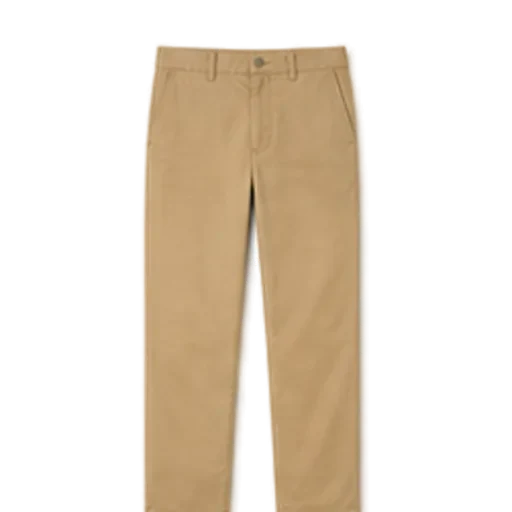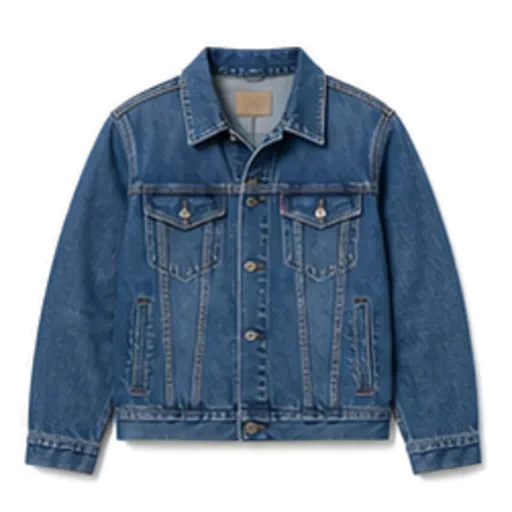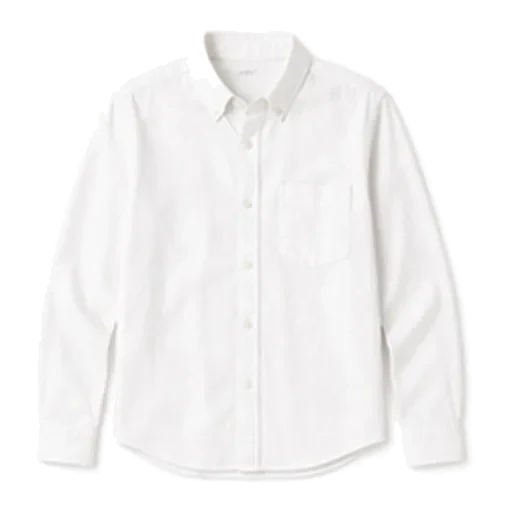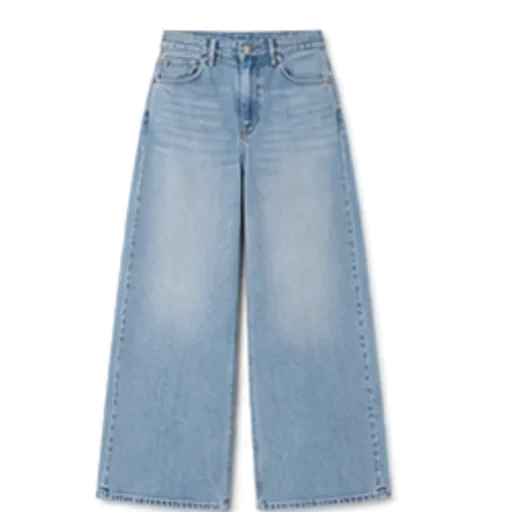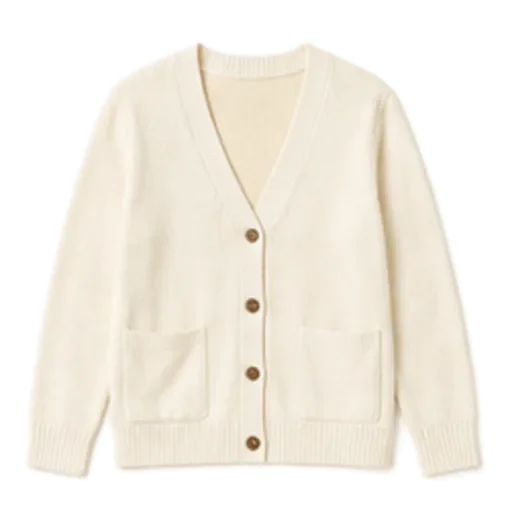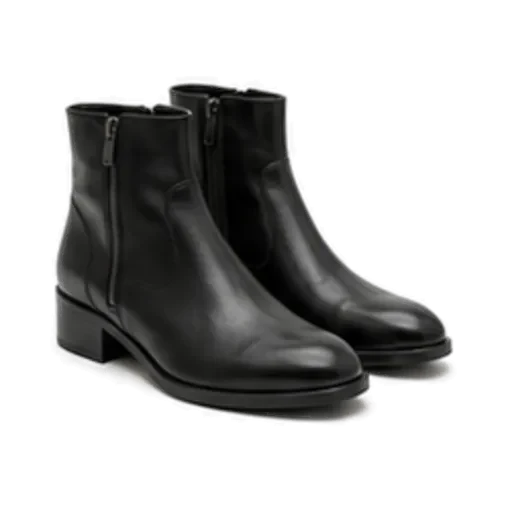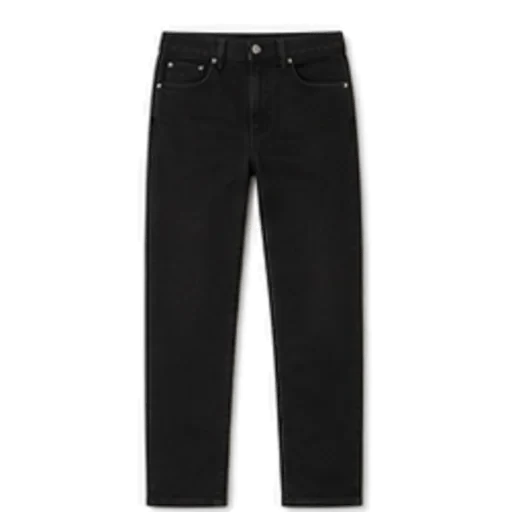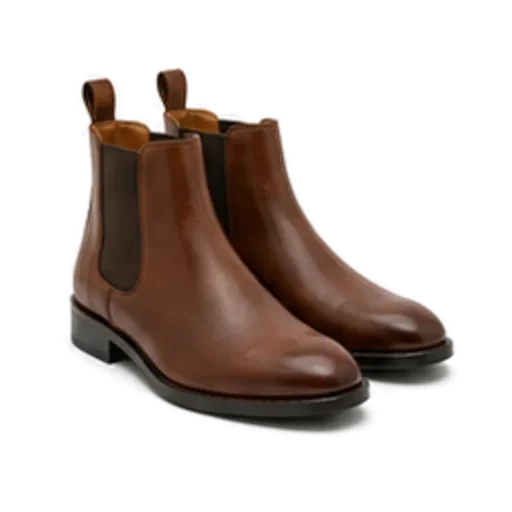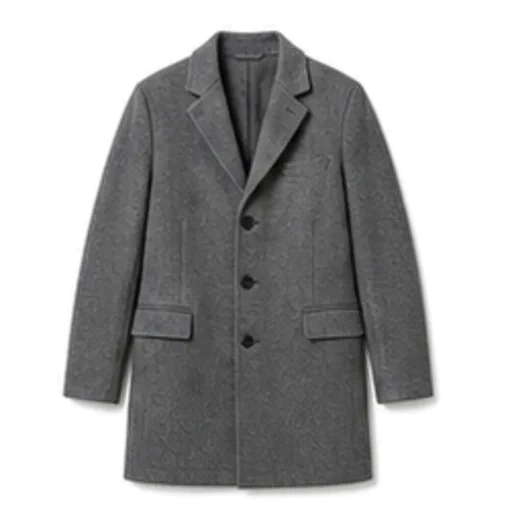
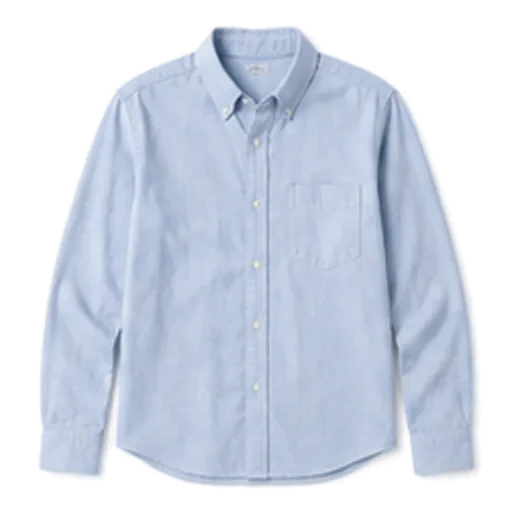
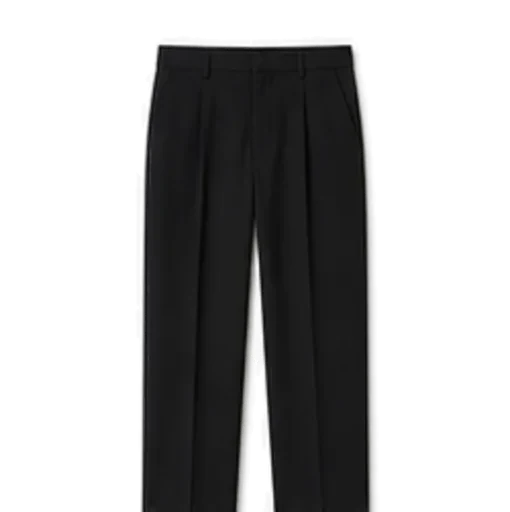
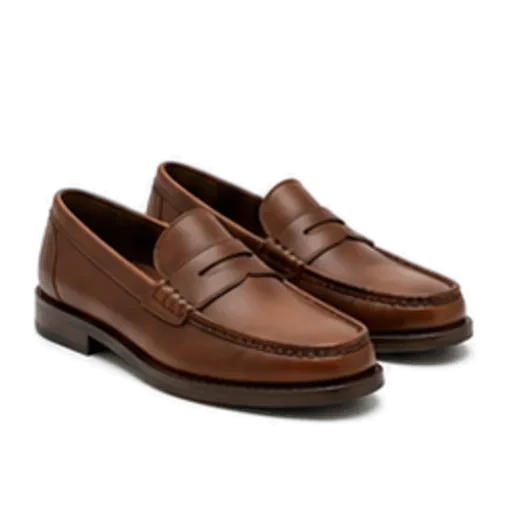
To tell whether your outfit looks good, check five things in order: fit, proportion, colour, shoes and occasion. Most outfits that feel "off" fail on exactly one of them, and fixing that one piece is faster than starting again. Run the 60-second checklist below in the mirror, and if you still are not sure, get a second opinion — from a friend, or from your phone.
The 60-second outfit self-check
Stand back from a full-length mirror, or take a photo, and go through these in order. Each takes about ten seconds.
1. Fit: does every piece sit where it should?
Fit beats everything else. A plain white tee that fits will look better than an expensive shirt that does not.
- Shoulders: seams sit at the edge of your shoulder, not halfway down your arm (unless the piece is meant to be oversized).
- Waist: trousers stay up without a belt doing all the work; no gaping at the back.
- Length: sleeves end around the wrist bone; trousers either just touch the shoe or are cropped on purpose.
- Pulling: no buttons straining, no horizontal creases across the chest or thighs.
If something fails here, swap it. Styling cannot rescue a bad fit.
2. Proportion: is the silhouette balanced?
The simplest rule: fitted with loose. Pair a relaxed top with slimmer trousers, or a fitted top with wide-leg trousers or a full skirt.
Two common problems:
- Loose over loose — an oversized jumper over wide trousers can swallow you. Fix it with a front tuck or by swapping one half for something slimmer.
- Top half too long — a long untucked shirt over straight jeans can shorten your legs. Tuck, half-tuck, or wear a shorter layer.
3. Colour: does it share a base?
Look for one neutral base (navy, black, grey, cream, camel, denim) plus no more than one or two accents. If you can count four colours competing for attention, take one out.
Quick checks:
- Tonal works. Cream knit, oatmeal trousers, tan boots looks deliberate.
- Echo an accent once. A rust scarf looks intentional if something else nearby — a belt, a bag — is in a related warm tone.
- Watch near-misses. Navy and black can look like a mistake in daylight unless the contrast is clearly deliberate.
Our guide on how to mix and match clothes covers colour formulas in more detail.
4. Shoes: do they match the formality of the rest?
Shoes change the reading of an outfit more than any other piece. Tailored trousers and an oxford shirt are office-smart with loafers, relaxed with white trainers, and confused with running shoes.
| Outfit | Works with | Looks off with |
|---|---|---|
| Tailored trousers, oxford shirt | Loafers, derbies, clean white trainers | Chunky running shoes, flip-flops |
| Jeans, tee, denim jacket | White trainers, Chelsea boots | Patent formal shoes |
| Midi dress | Ankle boots, ballet flats, block heels | Hiking boots (unless you mean it) |
| Chinos, knit sweater | Chelsea boots, loafers, trainers | Rain boots on a dry day |
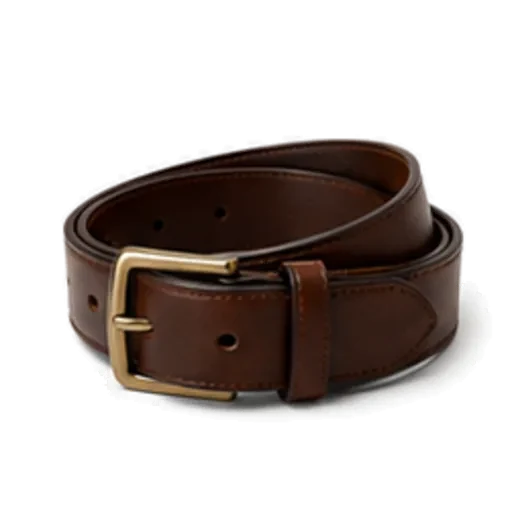
Belt and bag should sit roughly in the same family as the shoes — not identical, just not fighting.
5. Occasion and weather: is it right for where you are going?
An outfit can be well put together and still wrong. Ask:
- Formality: will you be the most or least dressed person there by a wide margin?
- Movement: are you walking, sitting for hours, standing at a bar?
- Weather: at 10°C (50°F) with wind, is there a layer you can actually wear outside? At 26°C (79°F), will the fabric breathe?
If you are dressing for a specific event, our guide to what to wear today has a quick decision method.
Why your outfit looks wrong and you cannot say why
When the mirror says "no" but you cannot pinpoint it, it is almost always one of these:
- A formality clash — one piece is much smarter or much more casual than the rest.
- A proportion problem — two loose halves, or a top that cuts your legs at the wrong point.
- Too many focal points — a patterned shirt, a statement necklace and bright shoes all at once.
- A fit issue you have got used to — trousers that are slightly too long, a jacket that is slightly too big.
Change one piece and look again. Starting from scratch usually lands you in a different outfit with a different problem.
How to take a photo that tells the truth
Mirrors are kind; cameras are honest. A photo is the better check, if you take it properly:
- Light: face a window in daylight. Overhead bulbs flatten colour and exaggerate creases.
- Height: hold the phone around chest height, pointing straight ahead. Shooting from above shortens your legs.
- Framing: full length, shoes included.
- Pose: stand as you normally stand. You will not be posing all day.
Look at the photo for three seconds, then look away and notice what you remember. That is what other people will notice too.
Getting an honest second opinion
Friends are kind, partners are busy, and group chats take a while. An outfit checker app is useful precisely because it has no reason to flatter you and answers in seconds. The good ones do three things: give an overall read, explain what is working and what is not, and suggest a specific swap rather than "try something else".
How Foxdrobe checks your outfit
Foxdrobe's Check this outfit is built for the moment before you leave the house.
- Photograph what you have on. Fenn, the fox stylist inside the app, gives the outfit a score and plain-English feedback on what is working and what is holding it back.
- Swaps from your own closet. Instead of telling you to buy something, Fenn suggests swaps from garments you already own: the loafers instead of the trainers, the cardigan instead of the hoodie.
- Weather aware. Foxdrobe reads today's forecast — temperature, conditions, rain and wind — so its advice accounts for whether you need a coat or different shoes.
- Start from a good outfit. If you would rather not guess at all, Style me builds a complete outfit from your closet for the occasion you name, with a sentence explaining why it works. Ask again for another take.
- Save the winners. Save looks that scored well and plan them for the days ahead.
- Private by default. A photo taken in the iPhone app stays on the phone and leaves the device only for the moment Fenn reads it.
You can see how it works on the features section.
Keep the lesson, not just the verdict
Each time an outfit gets a "no", note why. After a few weeks you will see your own pattern — maybe your trousers are always a touch long, or you reach for loose-over-loose when you are tired. Fix that pattern once and most mornings pass the check on the first try. For more ways to get new outfits from the same pieces, see how to style clothes you already own.