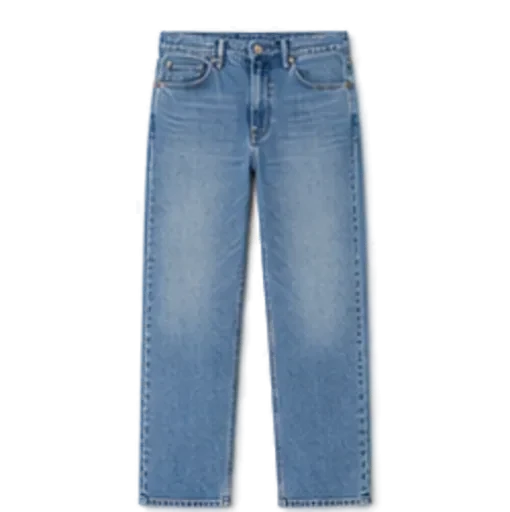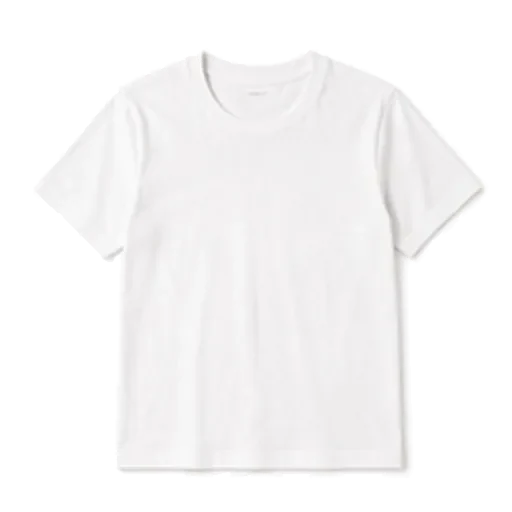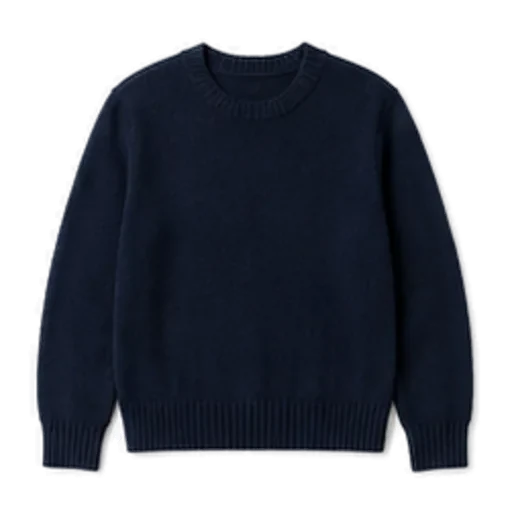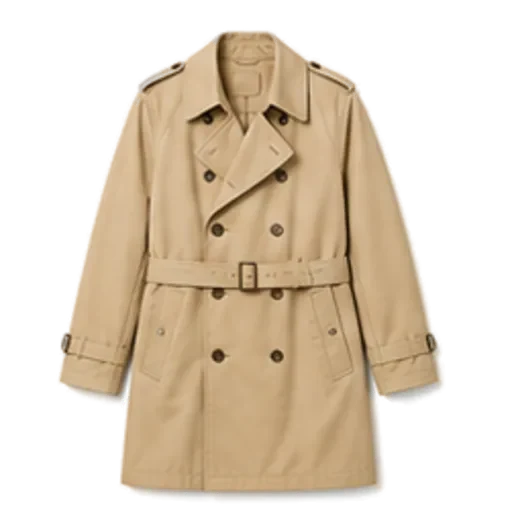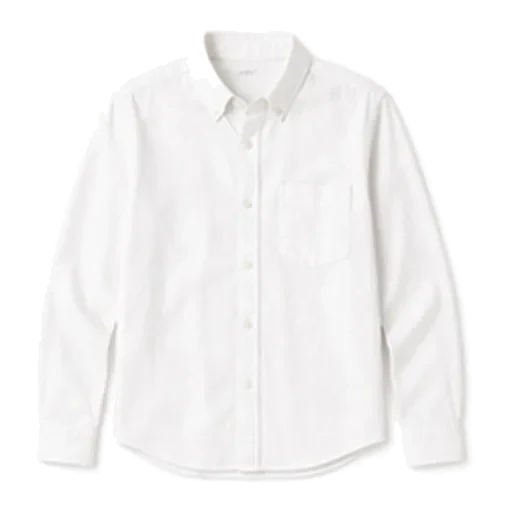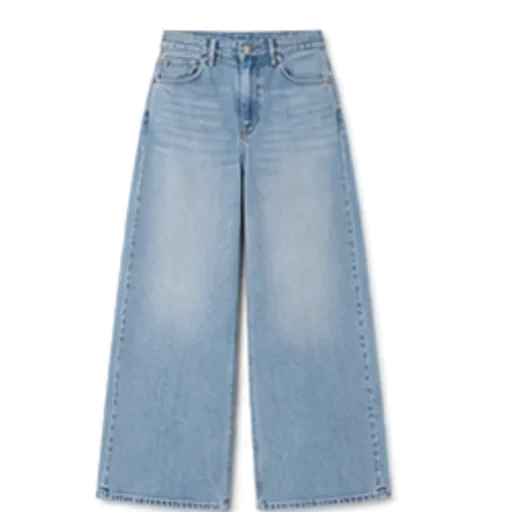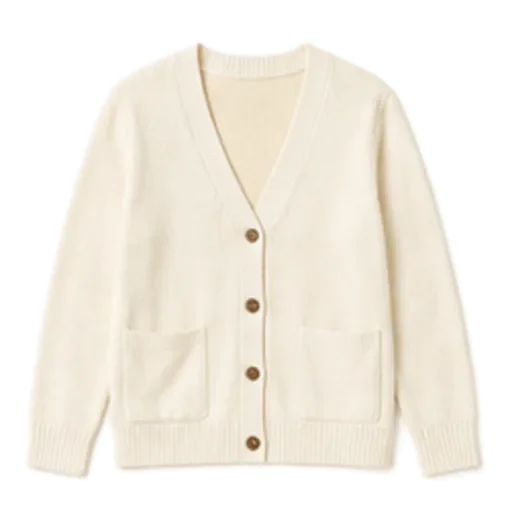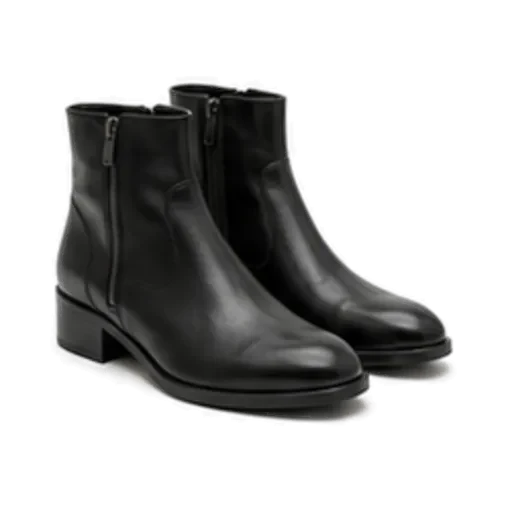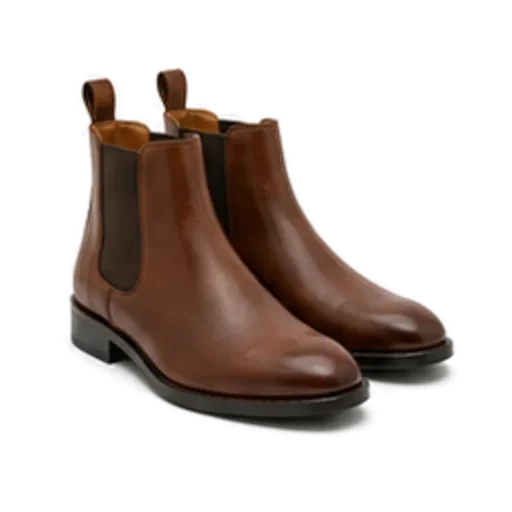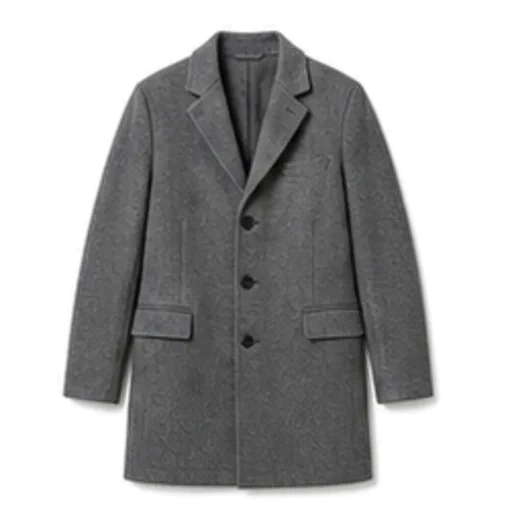
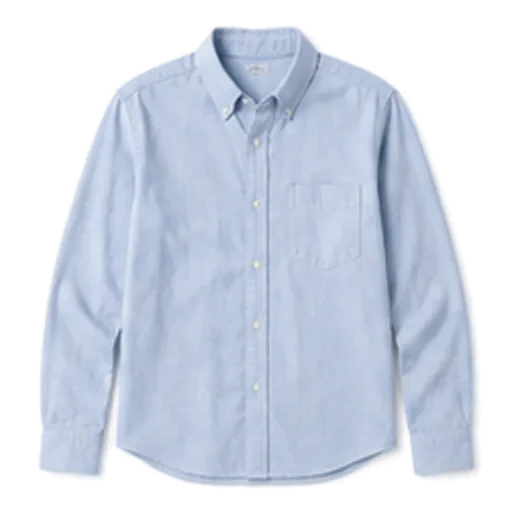
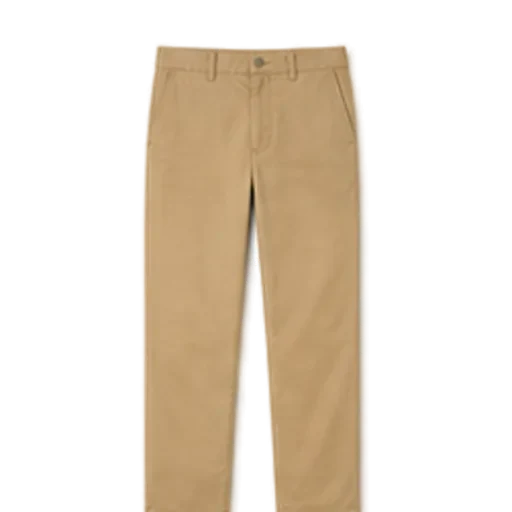
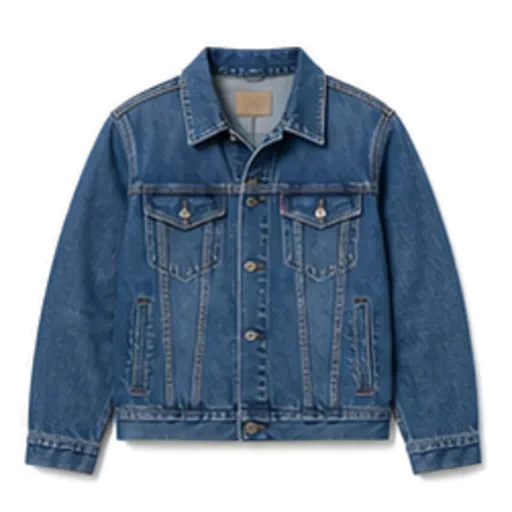
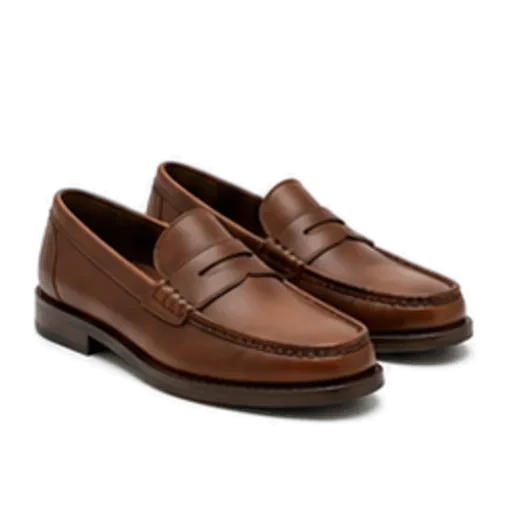
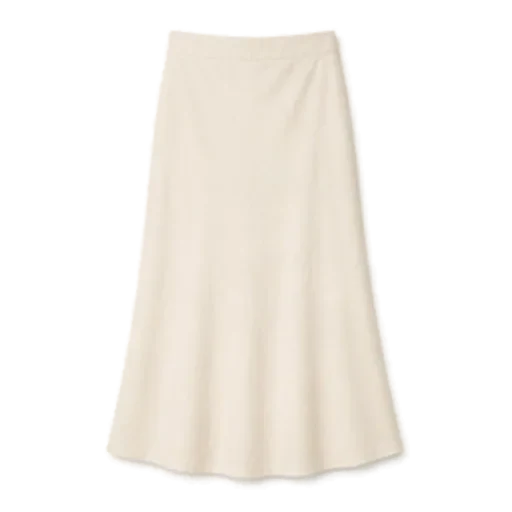
To mix and match clothes, use a simple formula (top, bottom, shoe, optional layer), keep most of each outfit in neutral colours, and let one piece be the focal point. Once your separates share a colour story, every new combination is a small swap rather than a fresh decision. That is how people with small closets seem to have endless outfits.
Below are the formulas, the colour rules, the maths behind it, and worked examples using ordinary clothes.
Why mixing and matching works
An outfit is just a combination. If you own four tops, three bottoms and three pairs of shoes, and all of them go together, that is 4 x 3 x 3 = 36 possible outfits. Add two layers you can wear or skip and it becomes 108.
The catch is "all of them go together". The real skill is not buying more, it is making sure what you have connects. A single top that only works with one pair of trousers adds one outfit. A top that works with everything adds a whole column of them.
How to mix and match clothes: five formulas
Formulas take the blank page away. Pick one, then fill the slots from your closet.
1. Neutral base, one accent
Two neutral pieces and one coloured piece. Navy chinos, white tee, rust knit. Grey trousers, black tee, green cardigan. This is the most reliable formula there is, and it works for almost any occasion.
2. Tonal dressing
Several shades of the same colour, top to bottom. Cream knit, stone trousers, tan loafers. Charcoal sweater, grey trousers, black boots. Tonal outfits look considered with almost no effort. Vary the texture so it does not look flat: chunky knit against smooth cotton, suede against wool.
3. Smart top, casual bottom (or the reverse)
Mix formality on purpose. An oxford shirt with jeans and trainers. A crewneck sweatshirt with tailored trousers and loafers. A silk blouse with straight-leg jeans. The contrast is what makes it look deliberate rather than accidental.
4. The third piece
Top plus bottom is an outfit. Top plus bottom plus a third piece, such as a denim jacket, blazer, cardigan or overshirt, is a look. The third piece adds structure and lets the same base outfit change character. White tee and black jeans with a leather jacket is evening; the same with a chore coat is weekend.
5. The dress or one-piece plus layer
A dress, jumpsuit or overalls counts as top and bottom at once, so the decisions shift to layer and shoe. A shirt dress with trainers and a denim jacket is weekend; with loafers and a trench coat it is office.
Colour rules that do most of the work
You do not need a colour wheel. A few rules cover nearly everything:
- Neutrals go with neutrals. Navy, black, grey, white, cream, camel, olive, stone and denim blue can be combined freely. Navy and black together is fine, especially with white nearby.
- One loud thing. If one piece is bright or patterned, keep everything else quiet.
- Repeat a colour. Pick up a colour from your top in your shoes or bag. It ties the outfit together without matching too precisely.
- Light and dark balance. A light top with dark trousers (or the reverse) is easier to get right than everything mid-tone.
- Denim is a neutral. Blue jeans go with almost any top colour, which is why they anchor so many closets.
Mixing patterns
Pattern mixing looks harder than it is. Vary the scale (thin stripe with a bigger check), share at least one colour between the two patterns, and keep the rest of the outfit plain. Stripes count as a near-neutral and pair well with florals and checks.
Proportion: the part people forget
Colour gets the attention, but proportion decides whether an outfit looks right.
- Loose with fitted. A wide-leg trouser with a fitted knit, or a slim jean with an oversized shirt. Loose on loose can work, but it needs care.
- Define the waist when you can. A half tuck, a belt, or a cropped layer gives a separate outfit some shape.
- Mind the shoe weight. Chunky boots suit heavier fabrics and wider legs; slim loafers and ballet flats suit lighter, narrower ones.
For more techniques like tucking, rolling and layering, see how to style clothes you already own.
Worked examples from one small closet
Here is a closet of twelve ordinary pieces:
- Tops: white tee, navy tee, oxford shirt, grey knit sweater
- Bottoms: straight-leg jeans, beige chinos, black midi skirt
- Layers: denim jacket, navy cardigan
- Shoes: white trainers, brown loafers, black ankle boots
And a week's worth of outfits from it:
| Day | Outfit | Formula |
|---|---|---|
| Monday | Oxford shirt, beige chinos, navy cardigan, loafers | Third piece |
| Tuesday | Grey knit, straight-leg jeans, ankle boots | Neutral base |
| Wednesday | White tee, black midi skirt, denim jacket, white trainers | Smart and casual mix |
| Thursday | Navy tee, beige chinos, oxford shirt worn open, loafers | Third piece |
| Friday | Grey knit, black midi skirt, ankle boots | Tonal-ish dark base |
| Saturday | White tee, straight-leg jeans, navy cardigan, white trainers | Neutral base |
| Sunday | Oxford shirt half-tucked into jeans, denim jacket, loafers | Double denim with a break |
Seven distinct outfits, no repeats, twelve pieces. If you built this closet deliberately, as in a capsule wardrobe made from what you already own, the numbers get better still.
Spotting the pieces that do not mix
Every closet has a few pieces that never seem to work. Usually they fail for one of three reasons:
- Colour that matches nothing else. A bright yellow top in a closet of black and grey. Try it with denim or white before giving up.
- Formality mismatch. A very formal piece with nothing equally smart to pair it with. Dress it down with trainers and a tee.
- Proportion clash. A cropped top with only low-rise bottoms. Try it over a dress or with a high-waisted skirt.
If a piece still will not pair with three others, it is not a mixing problem. It might not belong in your current wardrobe.
How Foxdrobe helps
The maths is easy on paper. The hard part is remembering what you own and seeing combinations you have not tried. That is what Foxdrobe is for.
- See everything at once. Photograph your clothes and Foxdrobe cuts each one out on a clean background, then tags category, colour, pattern, season and formality, all editable. Or add basics from the catalogue of 150 everyday garments without taking a photo.
- Let Fenn do the combinations. Tell Fenn, the fox stylist in the app, where you are going and you get a complete outfit built only from garments you own, with a sentence explaining why the pieces work together. Ask again for a different take. It is the quickest way to find combinations you would not have thought of.
- Check what you put together. Photograph your outfit and Fenn gives a score, plain-English feedback on what is working and what is holding it back, and swaps from your own closet.
- Weather-aware suggestions. Outfits read today's forecast, so the formula adapts: a third layer on a cold morning, different shoes when it rains.
- Save the combinations that work. Keep saved looks and plan them into the days ahead, so a good formula becomes a repeatable outfit.
Unlike an AI outfit generator that invents clothes, every suggestion comes from what is already in your closet. You can read more about each feature in the features section.
The short version
Use a formula, keep most of each outfit neutral, and let one piece lead. Balance loose with fitted, repeat a colour, and give your outfit a third piece when you want it to look finished. Do that consistently and a small closet behaves like a big one.