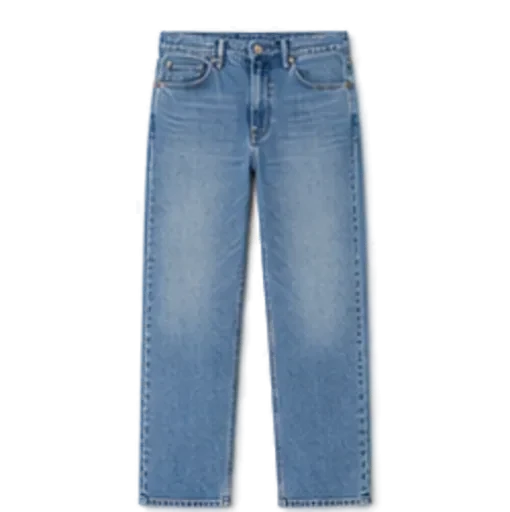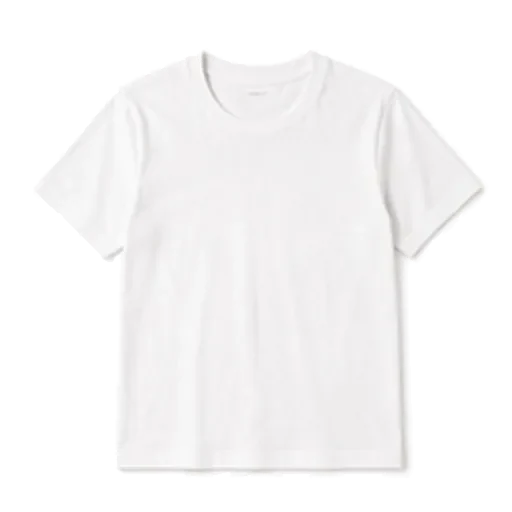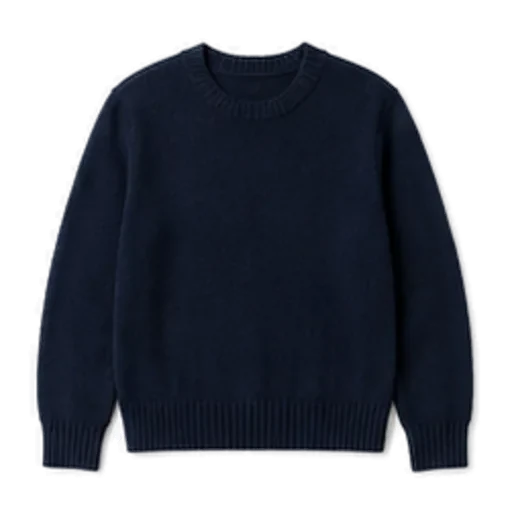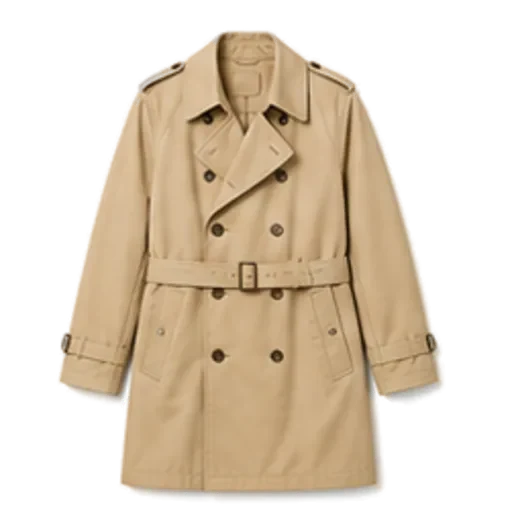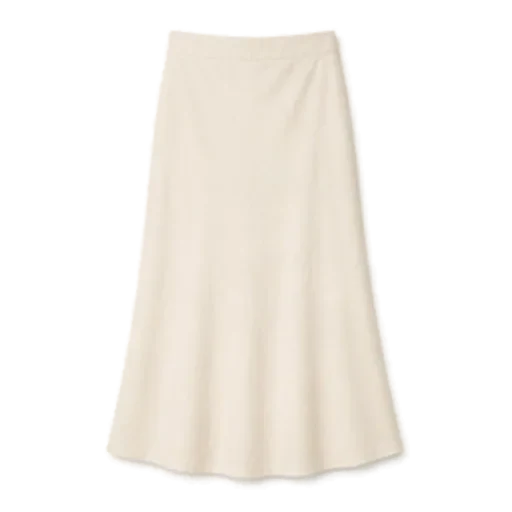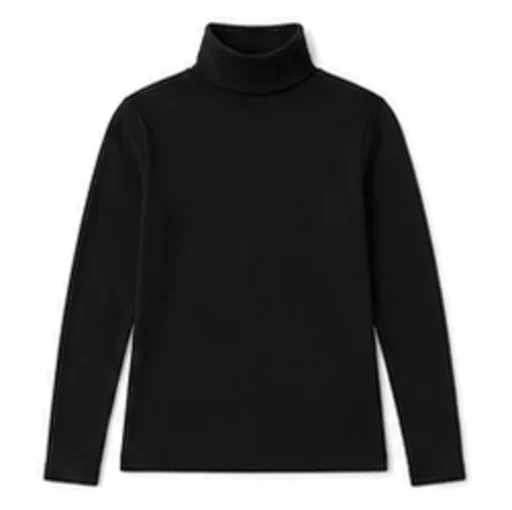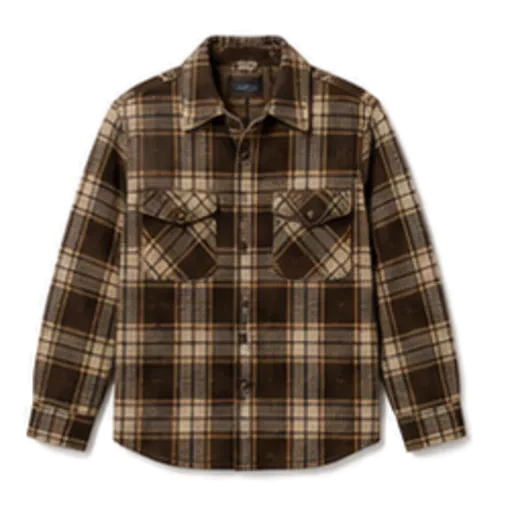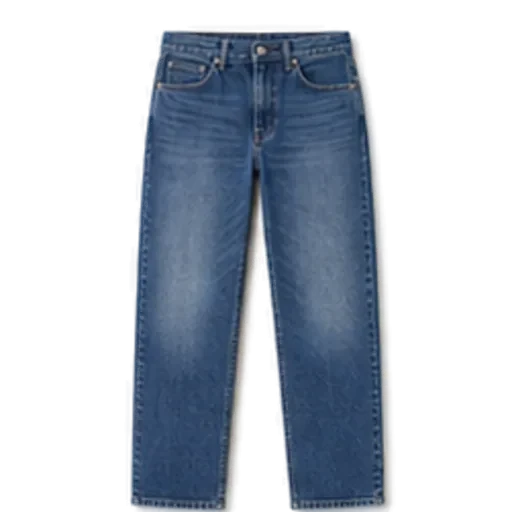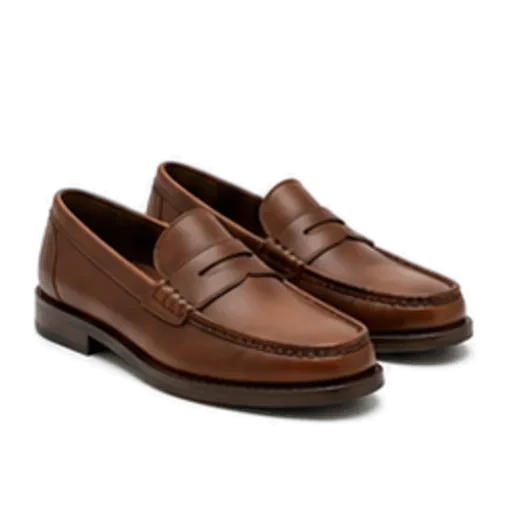
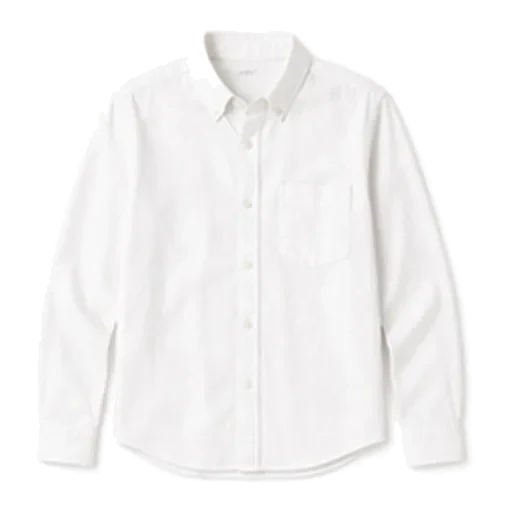
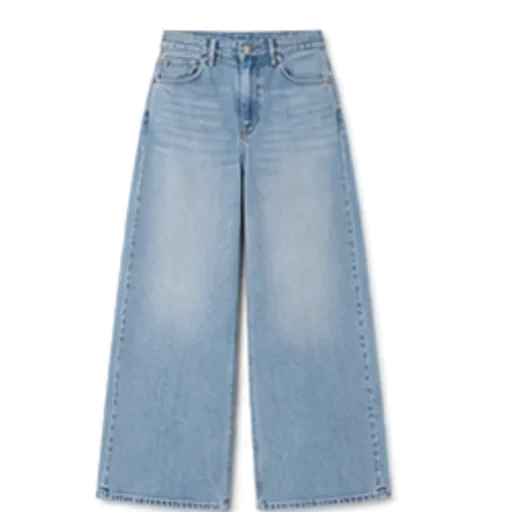
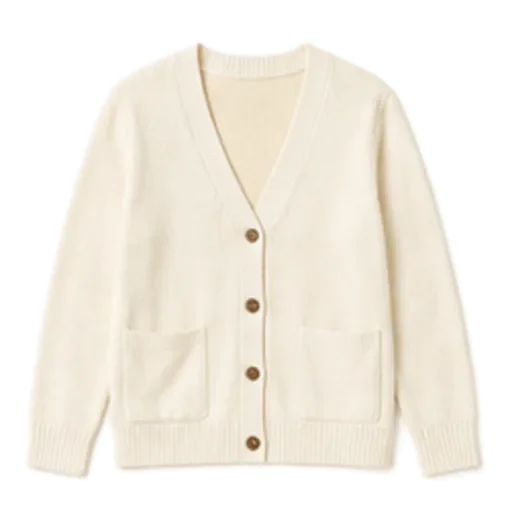
To style clothes you already own, change how you wear them, not what you wear: tuck what you usually leave loose, layer what you usually wear alone, and pair pieces that have never met. One small change — the shoes, the tuck, the layer on top — is enough to make a familiar garment read as a new outfit. Below are nine techniques that work on almost any wardrobe, plus a simple system for re-wearing without looking repetitive.
Why restyling beats buying
Most wardrobes are not short of clothes; they are short of combinations. People tend to wear each garment in one or two "default" outfits and forget it has other uses. The white shirt only goes with the navy suit; the floral midi skirt only comes out with the denim jacket. Break those defaults and the same rail suddenly holds far more outfits.
If your wardrobe feels full but useless, our piece on why your closet is full but you have nothing to wear explains the causes. This post is about the fixes.
9 ways to style clothes you already own
1. Change the tuck
The quickest restyle there is.
- Full tuck sharpens a shirt or fine knit and shows the waist.
- Front tuck (just the front few centimetres) keeps a relaxed shape but defines your legs.
- Untucked and knotted works for a long, loose shirt over high-waisted trousers or a skirt.
A white button-down fully tucked into tailored trousers is office wear. The same shirt front-tucked into wide-leg jeans is weekend wear.
2. Layer it under something
Pieces you think of as "on their own" become new when they go underneath.
- A shirt under a crewneck knit with the collar out.
- A slip dress over a fitted tee or thin turtleneck.
- A tee under an open cardigan or overshirt.
- A turtleneck under a blazer instead of a shirt.
3. Layer it over something
Equally, a shirt worn open becomes a light jacket. An oversized oxford shirt over a tank top and shorts at 24°C (75°F) is a completely different garment from the same shirt buttoned at the office.
4. Roll, push and cuff
Sleeves pushed to the forearm make a knit look relaxed. Two rolls on a shirt cuff add ease. A single neat turn-up on straight-leg jeans shows off your boots and changes the line of the whole outfit.
5. Re-pair it with something unexpected
Take one piece you always wear the same way and deliberately pair it with something it has never met.
| Default pairing | Try instead |
|---|---|
| Blazer + tailored trousers | Blazer + straight jeans + white trainers |
| Midi skirt + denim jacket | Midi skirt + chunky knit + ankle boots |
| Hoodie + joggers | Hoodie under a wool overcoat with chinos |
| Silk blouse + pencil skirt | Silk blouse + wide-leg jeans + loafers |
| Floral dress + sandals | Floral dress + cardigan + tights + boots |
The more formal-casual tension, the more "styled" the outfit looks — within reason.
6. Swap the shoes
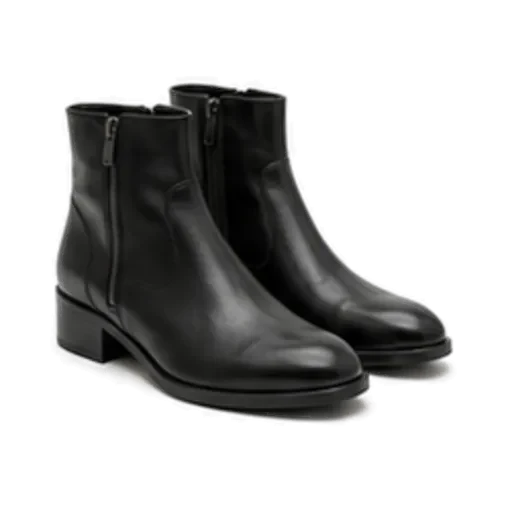
Shoes set the register of the whole outfit. A midi dress with ballet flats is daytime; with ankle boots it goes autumn; with block heels it is ready for dinner. If you only change one thing, change the shoes.
7. Add (or remove) one accessory
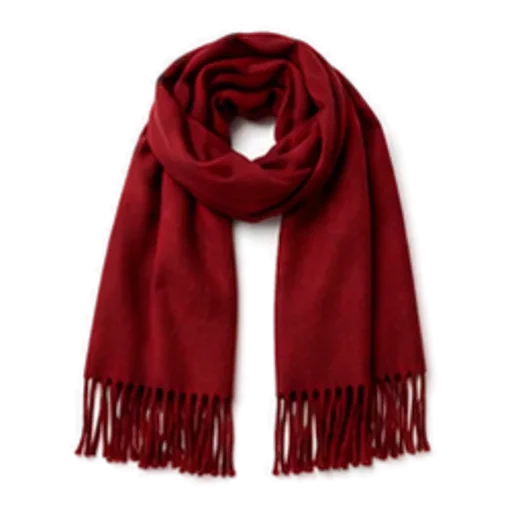
A belt, a scarf, a watch or a bag can change an outfit's mood with no other effort. A leather belt over a cardigan creates a waist. A printed scarf lifts a plain navy coat. Equally, removing one accessory can rescue an outfit that feels busy.
8. Go tonal
Dressing in one colour family — cream, oatmeal, camel; or charcoal, grey, black — makes ordinary basics look considered. It is also a great way to use pieces that never seemed to "go with anything", because they only need to sit near their own colour.
9. Wear it out of season
Many pieces work beyond the season you bought them for, with the right layer:
- A summer slip dress with a turtleneck, tights and boots in autumn.
- A linen shirt as a light layer over a tee in spring.
- A knit vest over a tee in mild weather, or over a shirt in winter.
At around 12°C (54°F), most "summer" dresses work with a knit and boots.
How to re-wear without looking repetitive
People notice whole outfits, and especially colour, far more than individual garments. So re-wear cleverly:
- Keep one anchor, change the rest. Wear the same blazer on Monday and Thursday, but change the top, the trousers and the shoes.
- Change the colour story. A camel coat over navy reads differently from the same coat over black.
- Change the formality. Tuesday's blazer with trousers becomes Saturday's blazer with jeans and trainers.
- Keep a record. Knowing what you wore last week is the only reliable way to avoid repeating it by accident.
A one-week restyling challenge
Pick three garments you rarely wear — call them orphans. Each day this week, put one orphan into an outfit using a different technique from the list above. By Sunday each orphan should have at least two outfits you would happily wear again. Anything that still has none is a strong candidate to pass on.
This works hand in hand with building a capsule wardrobe without buying anything and, if you are trying to cut back, with our guide on how to stop buying clothes.
How Foxdrobe helps you restyle what you own
Foxdrobe is built around exactly this: getting more outfits from the clothes you already have.
- See everything at once. Photograph a garment and Foxdrobe cuts it out on a clean background and tags category, colour, pattern, season and formality. Basics can be added from a catalogue of 150 everyday garments without a photo. Seeing your whole wardrobe laid out is often how orphans get rediscovered.
- Style me for new pairings. Tell Fenn, the fox stylist inside the app, the occasion and you get a complete outfit built only from garments you own, with a sentence explaining why the pieces work together. Ask again for another take — useful when you want to see a familiar piece in a new combination.
- Check this outfit. Try a restyle, photograph it, and Fenn gives a score, plain-English feedback and swaps from your own closet.
- Weather aware. Suggestions read today's forecast, so the out-of-season tricks above — knits over dresses, boots instead of sandals — are suggested when the temperature calls for them.
- Keep a record. The planner keeps a record of what you actually wore, so re-wearing is a choice rather than an accident. Save looks that worked and plan them for later in the week.
- No shopping. No shopping links and no affiliate feeds. Every suggestion comes from what you already own.
See how it all fits together on the features section.
The takeaway
You do not need new clothes to get new outfits. Tuck, layer, roll, re-pair, swap the shoes and play with one accessory, and the same wardrobe stretches a long way. Start with three orphans this week and see how many outfits you find.