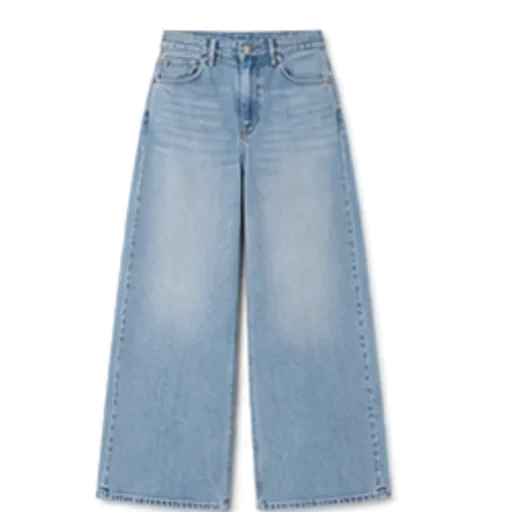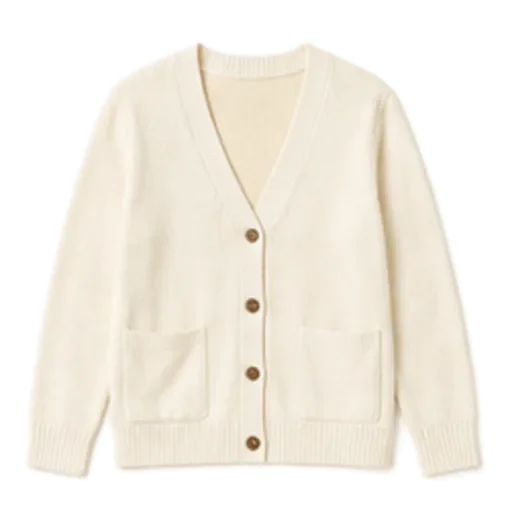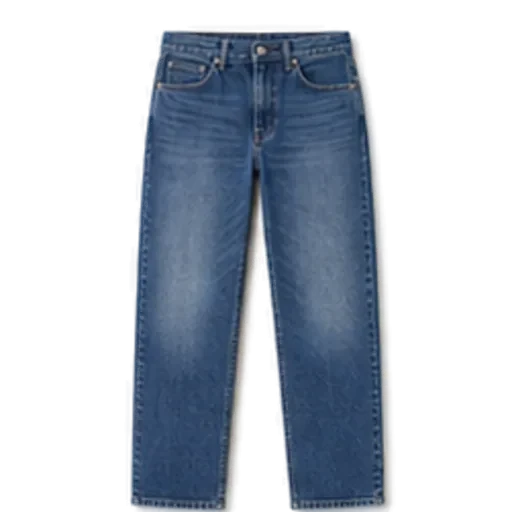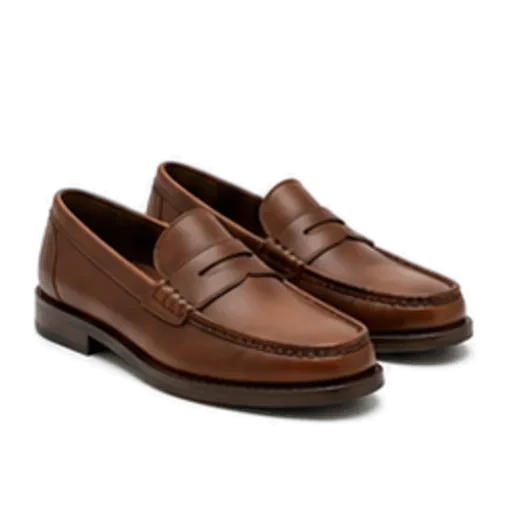
If your closet is full but you have nothing to wear, the problem is almost never quantity. It is usually some mix of orphan pieces that do not go with anything, decision fatigue from too many choices and no system, and clothes bought for a life you do not actually live. Each has a different fix, and none of them starts with buying more.
Here is how to tell which problem you have, and what to do about it this week.
The three real reasons you have nothing to wear
1. Orphans: pieces that do not go with anything
An orphan is a garment you like that has no partners. The rust midi skirt with no tops that work. The trousers that only look right with shoes you no longer own. The patterned shirt that clashes with every bottom.
Orphans are sneaky because they feel like outfits waiting to happen. They are not. They are half-outfits, and every time you look at them you have to solve a puzzle with no answer.
Signs you have this problem: you often pull something out, hold it up, and put it back. You own several "statement" pieces and few plain ones.
2. Decision fatigue: too many options, no rules
When every top could go with every bottom, your brain tries to weigh them all. At 7.30am, with a coffee going cold, that is exhausting, so you default to the same three outfits and the rest of the closet feels useless.
Signs you have this problem: you wear the same handful of outfits on repeat, even though you like plenty of your other clothes.
3. Wrong-life clothes: dressed for someone else's week
Many wardrobes are built for an imagined life. Cocktail dresses and sharp suits for parties that come twice a year, while the real week is office, school run and the sofa. Or gym kit for a routine you meant to start. The clothes are fine; they just do not match your days.
Signs you have this problem: your closet is full of smart clothes but you feel scruffy every weekday, or vice versa.
A 30-minute closet diagnosis
You do not need to empty the whole wardrobe. Do this instead.
- Pull out what you wore in the last two weeks. Hang it at one end. This is your real wardrobe.
- Count it. For many people it is only 15 to 25 pieces.
- Look at what is left. For each item, ask one question: can I name an outfit with this, using clothes I own, right now?
- Sort into three piles:
- Yes, easily. It goes back in the closet.
- Yes, but only one outfit. Mark it as a near-orphan.
- No. It is an orphan.
- Look at your week. Write down how many days you spend at work, at home, out, exercising. Compare that with what the closet is built for.
The piles tell you which problem dominates.
| What you find | Main problem | First fix |
|---|---|---|
| Lots of orphans and near-orphans | Orphans | Find bridge pieces and new pairings |
| Few orphans, but you wear only a fraction | Decision fatigue | Use formulas and plan ahead |
| Closet mismatched with your real week | Wrong-life clothes | Rebalance toward your actual days |
How to fix orphans
Most orphans can be rescued with clothes you already own. Try these before deciding anything leaves.
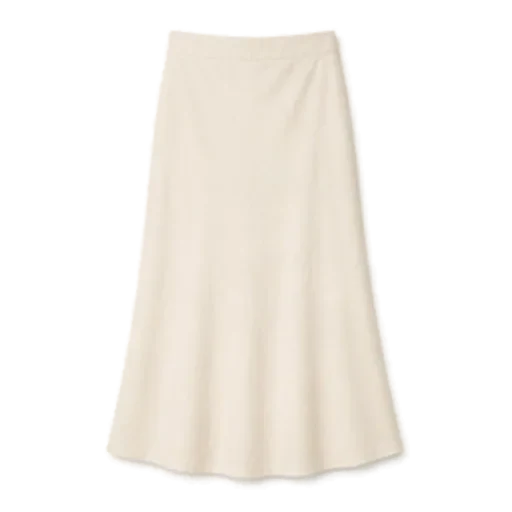
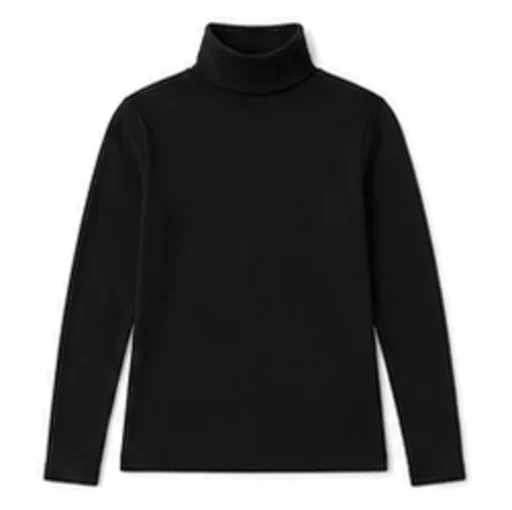
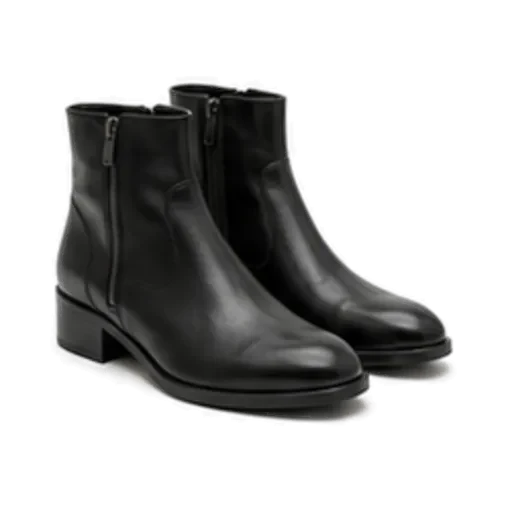
- Pair with a neutral. A patterned or bright piece almost always works with black, navy, grey, white, cream or denim. The rust midi skirt works with a black turtleneck and ankle boots.
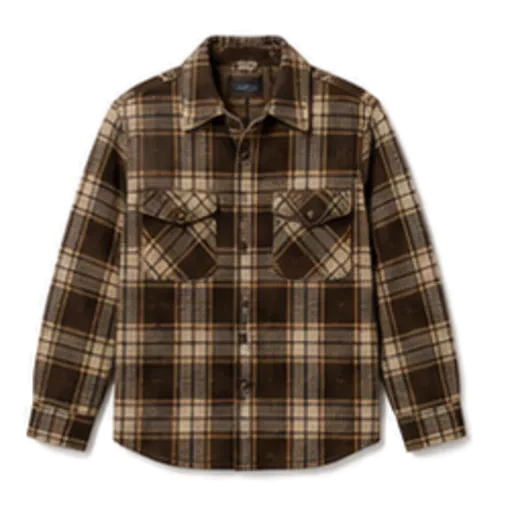
- Change the layer. A shirt that clashes as a top might work open over a tee, like a light jacket. A shacket does the same job.
- Change the shoes. Formal trousers often come alive with clean trainers; a casual dress smartens up with boots.
- Repeat a colour. Pick one colour from a pattern and wear a solid in that colour elsewhere.
If an orphan still has no partners after all of that, it is a genuine candidate to let go. Our guide to styling clothes you already own has many more techniques.
How to fix decision fatigue
The goal is fewer decisions, not fewer clothes.
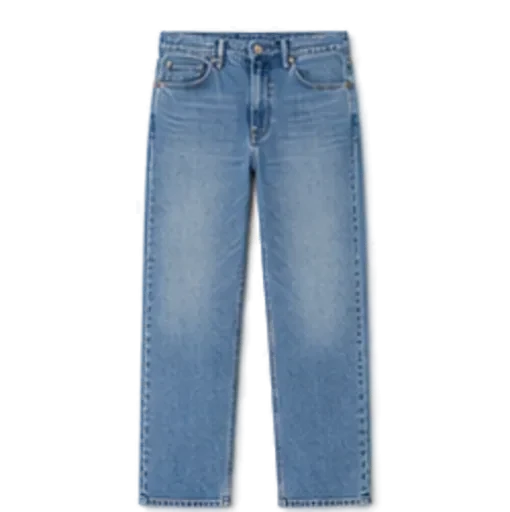
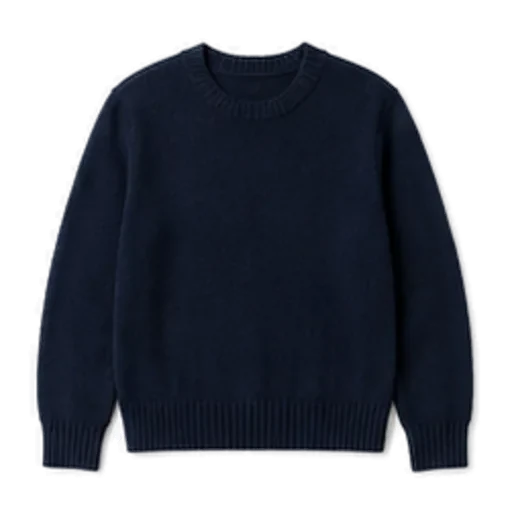
- Use outfit formulas. Two or three fixed shapes you like, for example knit + straight jeans + boots, or dress + cardigan + trainers. You only choose the colours.
- Decide the night before. Same choice, less pressure.
- Plan the week on Sunday. Ten minutes saves five mornings.
- Reduce visible options. Move off-season clothes out of sight. At 22°C (72°F) you do not need to see wool coats.
How to fix wrong-life clothes
Rebalance your closet towards the days you actually have.
- Match pieces to your week. If five days are office and two are relaxed, most of your easy-to-reach clothes should be smart casual.
- Promote special-occasion pieces to everyday. A silk blouse from a wedding works with jeans on a Tuesday.
- Store rather than discard. Formalwear you need twice a year can live in a box, freeing space and attention.
If you are tempted to fix the gap by shopping, read how to stop buying clothes first. One carefully chosen bridge piece can unlock several orphans; a basket of new things usually creates new ones.
Build a small core you actually use
Once you have sorted orphans, formulas and lifestyle, you will notice a core of pieces that do most of the work. That is effectively a capsule wardrobe, built from what you already own. Our guide to building a capsule wardrobe without buying shows how to formalise it.
How Foxdrobe helps
Foxdrobe tackles each of the three problems with clothes you already have:
- Orphans get partners. Add your closet by photo or from the catalogue of 150 everyday garments, then ask Fenn, the fox stylist, for an outfit around a specific occasion. Style me builds complete looks only from your own clothes, so pieces you had written off get paired with things you forgot you owned. Each suggestion comes with a sentence on why the pieces work together.
- Decision fatigue drops. The planner lets you set outfits for the days ahead from your closet or a saved look, and saved looks give you a ready-made set of formulas for busy mornings.
- Weather takes options away. Suggestions read the forecast, so the cardigan appears at 12°C (54°F) and disappears at 26°C (79°F).
- Honest feedback. Check this outfit scores a photo of what you have on and suggests swaps from your closet.
- No shopping. There are no shopping links or affiliate feeds, so the app never solves "nothing to wear" by selling you something.
See all of it on the features page.
The short version
A full closet with nothing to wear is a system problem, not a shopping problem. Find your orphans and pair them with neutrals, cut decisions with formulas and planning, and rebalance your clothes towards the life you actually lead. Most people find they had plenty of outfits all along.