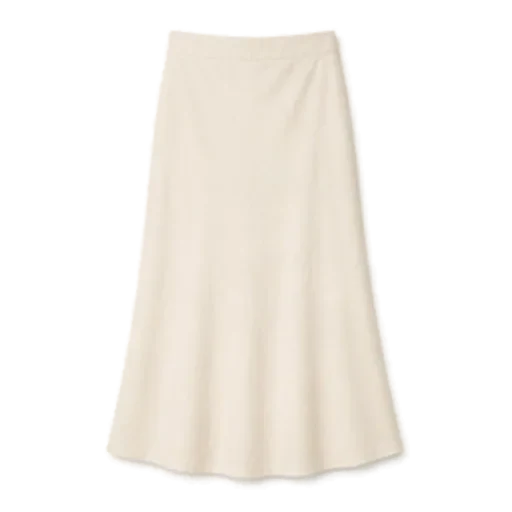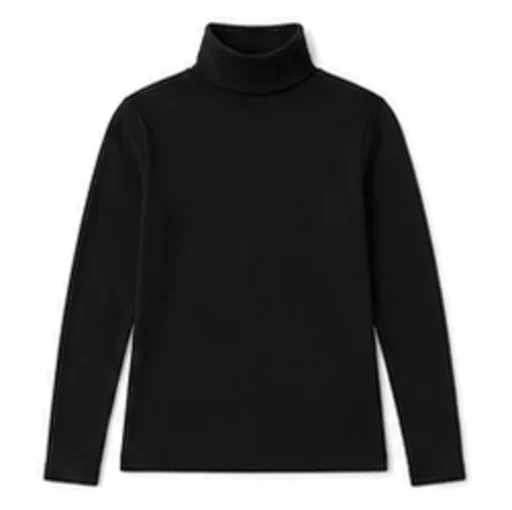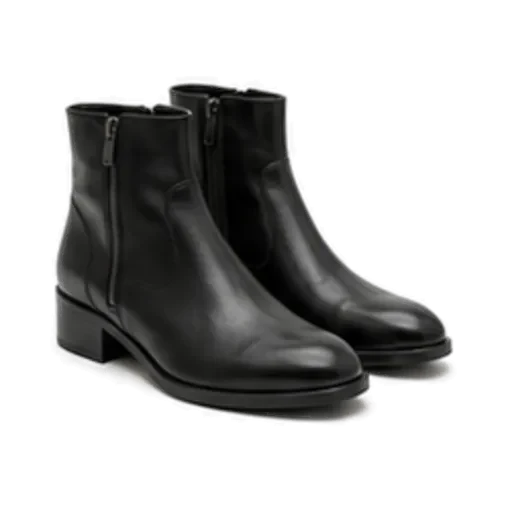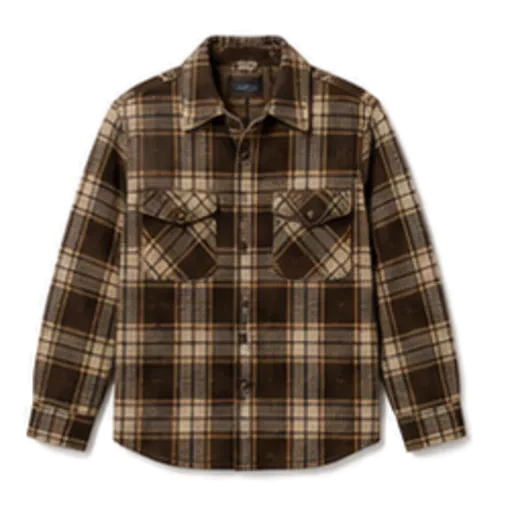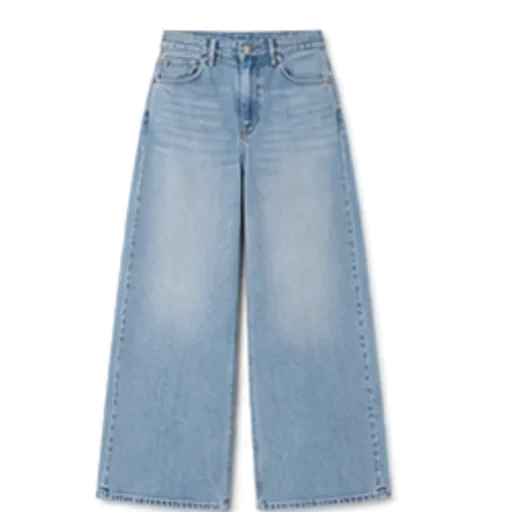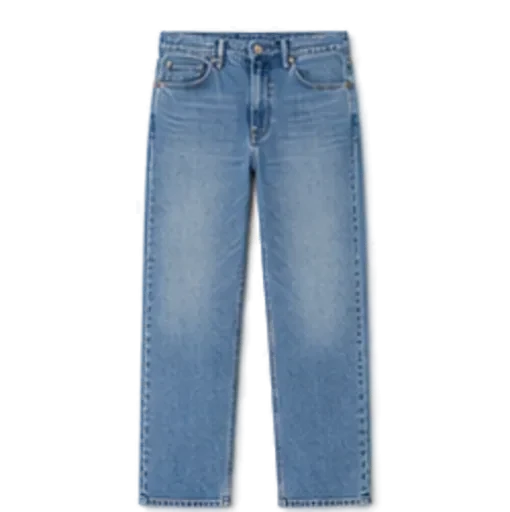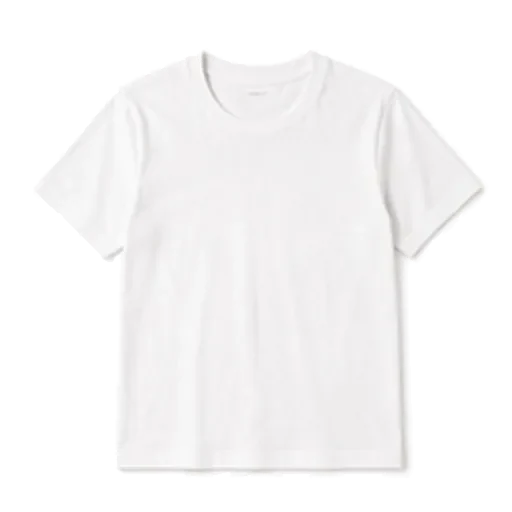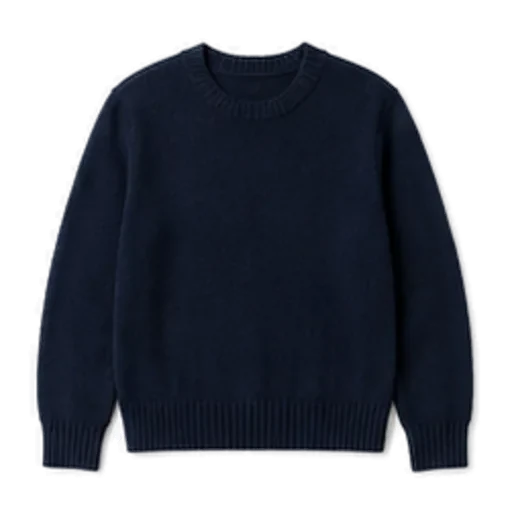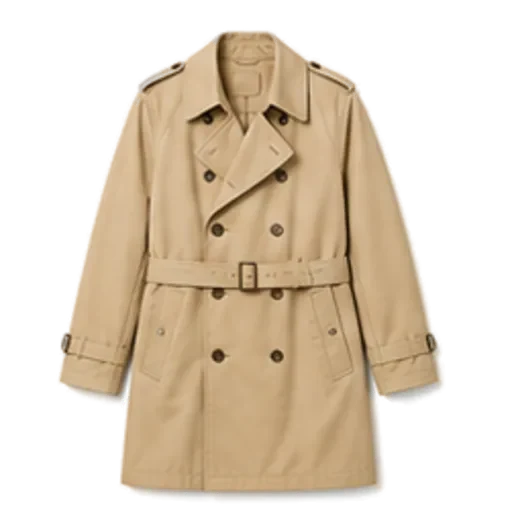
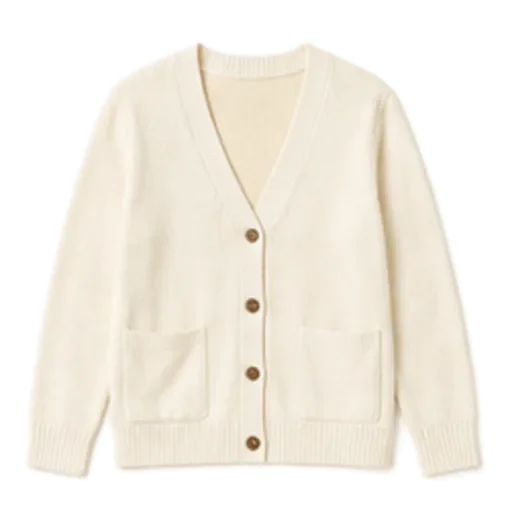
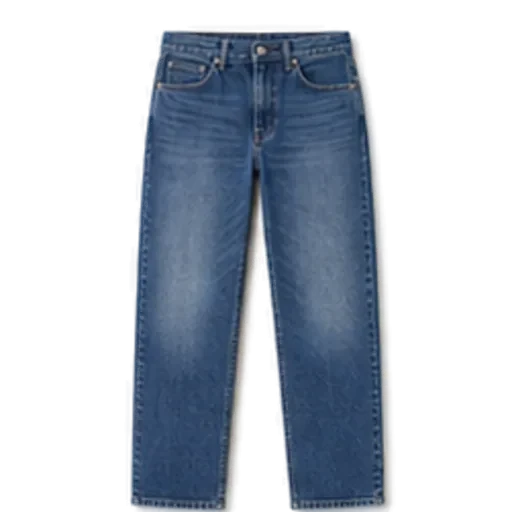
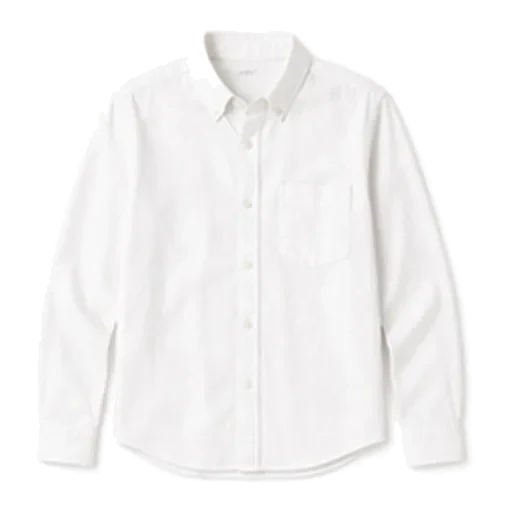
To stop buying clothes, you need to do two things at once: make shopping slightly harder, and make the clothes you already own more useful. Unsubscribe, delete saved cards and use a 30-day wait list to break the impulse, then spend that energy finding new outfits in your own wardrobe. Most people do not have too few clothes; they have too few combinations they can see.
Why we keep buying clothes
It helps to know what you are fighting. The urge to buy is rarely about needing a garment.
- Novelty. A new piece feels like a new version of yourself. The feeling fades in days, the item stays.
- Decision fatigue. When getting dressed is hard, buying something feels like a fix. It rarely is, because one new top still has to work with everything else.
- Constant prompts. Retailer emails, social feeds, sale notifications and saved baskets are built to make buying frictionless.
- The wrong-life wardrobe. Clothes for a job you left, a body you had, or a social life you imagined. You feel short of clothes because what you own does not fit your actual days.
- Not seeing what you own. Things at the back of the wardrobe or in a drawer effectively do not exist. People rebuy black jeans they already own all the time.
If the last two sound familiar, our guide to having a full closet but nothing to wear goes deeper on why it happens.
How to stop buying clothes: a step-by-step plan
Step 1: Decide on your no-buy
Pick a length and write it down. Three months is a realistic first attempt; a year is a big commitment that works better as a second round. Decide your exceptions now:
- Replacing something that has genuinely worn out (holes, not "a bit tired").
- Underwear, socks and sportswear that you need.
- One planned purchase to fill a gap you can name.
Everything else waits until the end date.
Step 2: Remove the friction-free paths
Make buying take effort.
- Unsubscribe from every retailer email. It takes ten minutes and removes dozens of prompts a week.
- Delete saved payment cards from shopping sites and apps, and log out.
- Move shopping apps off your home screen, or delete them.
- Mute or unfollow accounts that make you want to buy rather than inspire you to wear what you own.
Step 3: Start a 30-day list
When you want something, write it down with the date and the reason. Do not buy it. After 30 days, look at the list. Most items will feel irrelevant. If one still feels important at the end of the no-buy, it is probably a genuine gap.
Step 4: See everything you own
Take everything out, or at least everything in one category at a time, and look at it. Put it into three piles:
- Wear it: fits, suits you, suits your life.
- Fix it: needs a button, a hem, a clean, or a new pairing to make sense.
- Let it go: does not fit your body or your life, and has not for a year.
The "fix it" pile is where most of your new outfits will come from. Spend an afternoon sewing buttons and booking a tailor and it will feel like a shopping trip.
Step 5: Shop your closet
This is the part that makes a no-buy enjoyable rather than grim. Treat your wardrobe like a shop you have just walked into.
- Take one piece you rarely wear and build three outfits around it.
- Re-pair: a blazer you only wear with trousers, tried with jeans and trainers; a slip dress over a white tee; a white button-down open over a camisole.
- Play with proportions: tuck, half-tuck, roll the sleeves, cuff the jeans, belt a cardigan.
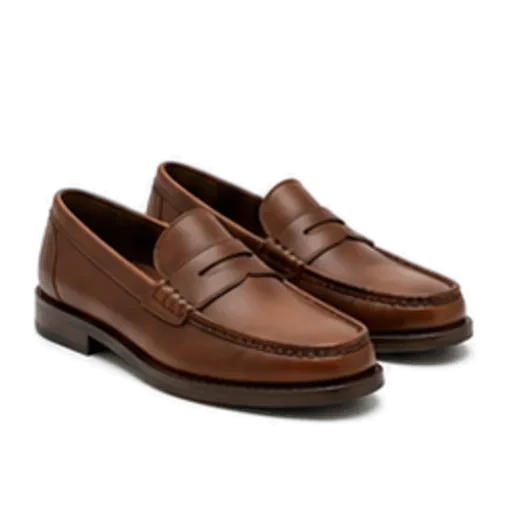
- Swap shoes. The same jeans and knit with loafers, then trainers, then ankle boots are three different outfits.
Our guide to styling clothes you already own has many more techniques.
Step 6: Track what you actually wear
For a month, note what you wear each day. Patterns jump out fast: the three pieces you wear constantly, the category you never touch, the colour that goes with nothing. That record is more useful than any trend report when you do eventually buy something.
Rules that actually stick
Strict willpower fails. Simple rules last longer.
| Rule | Why it works |
|---|---|
| The three-outfit rule | Before buying, name three outfits using clothes you already own. If you cannot, it will be an orphan. |
| One in, one out | Keeps the wardrobe the same size and makes you weigh each purchase. |
| The 30-day wait | Lets the novelty wear off before money changes hands. |
| No sale shopping | A discount on something you do not need is not a saving. |
| Cost per outfit, not price | A £20 top worn twice costs more per wear than a £60 knit worn forty times. |
| Shop with a list | Like groceries: if it is not on the list, it does not go in the basket. |
What to do when the urge hits
It will, usually on a bad day or after scrolling. Have a plan for those moments.
- Close the tab or app and wait ten minutes.
- Add the item to your 30-day list.
- Go to your wardrobe and make one new outfit instead.
- If the urge is about a specific event, plan what you will wear to it from what you own. Usually it is fine.
Slip-ups happen. If you buy something, wear it a lot and keep going; it is not a reason to give up.
When your no-buy ends
Do not celebrate with a haul. Look at your 30-day list and your wear record, identify one or two real gaps, and buy those slowly and carefully. A wardrobe built this way tends to become a capsule naturally. If you want to formalise it, see how to build a capsule wardrobe without buying.
How Foxdrobe helps
Foxdrobe is built around a simple idea: every outfit comes from clothes you already own. There are no shopping links and no affiliate feeds, so it never nudges you towards buying.
- See everything you own. Photograph your clothes and Foxdrobe cuts each one out on a clean background and tags category, colour, pattern, season and formality, all editable. Or add basics like blue jeans or a white button-down from a catalogue of 150 everyday garments in a couple of taps. Once your clothes are in one place, it is much harder to rebuy something you already have.
- Style me. Tell Fenn, the fox stylist in the app, the occasion and you get a complete outfit from your own closet, with a sentence explaining why the pieces work together. Ask again for another take. It is shopping your closet without the effort.
- Check this outfit. Photograph a combination you are unsure about and Fenn gives a score, honest feedback and swaps from your own wardrobe.
- Planner and wear record. Plan outfits for the days ahead and keep a record of what you actually wore. It is the easiest way to spot your workhorses and your orphans.
- Saved looks. Keep outfits that worked so you can reach for them on busy mornings.
You can see how it all works, and what it costs, on the pricing page.
The short version
You stop buying clothes by making shopping harder and your wardrobe easier. Set a no-buy with clear exceptions, unsubscribe and delete saved cards, keep a 30-day list, and spend the energy finding new outfits in what you own. After a few months, most people find they wanted new outfits, not new clothes.