To decide what to wear today, check the weather first, then think about what you are doing, then pick one piece you want to wear and build around it. The weather decides your layers and shoes, your plans decide how smart to go, and the anchor piece turns a wardrobe of options into a handful. The whole thing takes about two minutes.
Here is the method step by step, with examples for different weather and days.
Why "what should I wear today" is so hard
You are not short of clothes. You are short of a way to narrow them down. Faced with a full wardrobe and no rules, your brain tries to compare everything with everything, which is slow and tiring. The fix is a fixed order of questions that removes most options before you start choosing.
The two-minute method
Step 1: Check the weather (30 seconds)
Look at the forecast for the whole day, not just the moment you leave. Note three things:
- The high and the low. A 9°C (48°F) morning that becomes 17°C (63°F) by afternoon needs a removable layer.
- Rain. Decides your outer layer and your shoes.
- Wind. Makes it feel several degrees colder and rules out floaty skirts and loose scarves.
This one step removes half your wardrobe. Sandals, linen and shorts are out at 8°C (46°F). Wool coats are out at 25°C (77°F).
For a full breakdown by degree, see our guide on what to wear by temperature.
Step 2: Match your plans (30 seconds)
What is the most demanding thing on today's schedule? Dress for that, not the easiest part.
| Today's main event | Formality level | Typical shape |
|---|---|---|
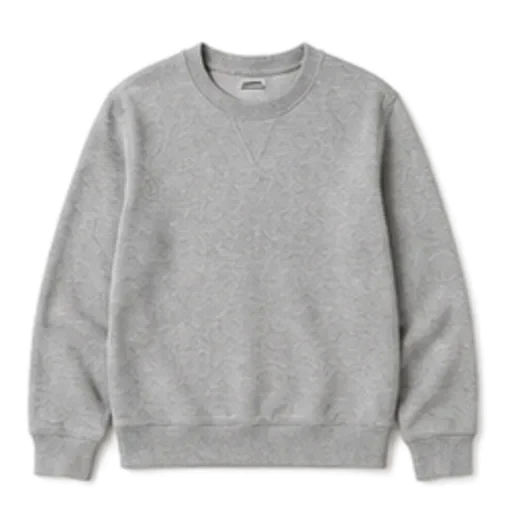
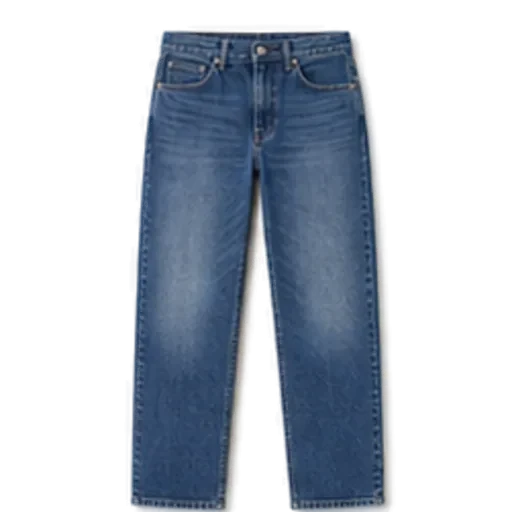
| Home, errands, school run | Casual | tee or sweatshirt, jeans, trainers |
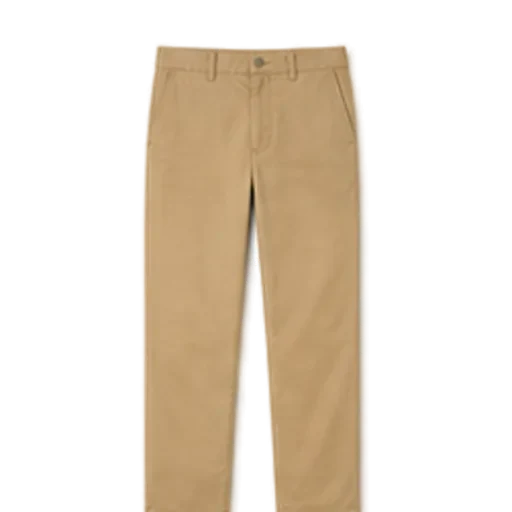
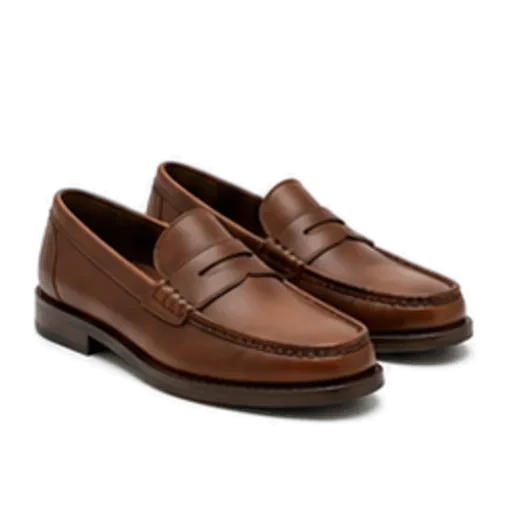
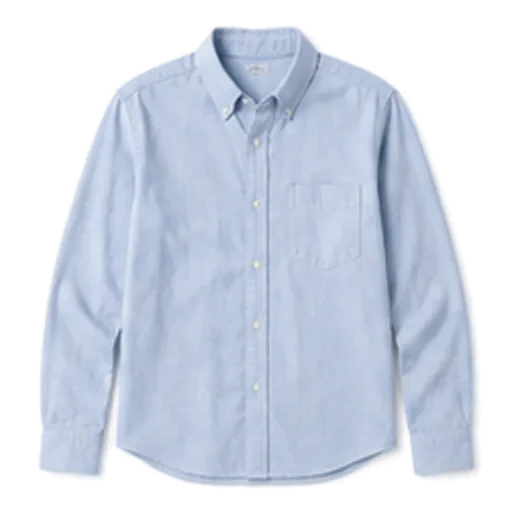
| Office, no meetings | Smart casual | shirt or knit, chinos or dark jeans, boots or loafers |
| Client meeting, presentation | Smart | blazer, tailored trousers or a dress, leather shoes |
| Dinner or drinks after work | Smart casual, one level up | swap trainers for boots, add a jacket |
| Active day, lots of walking | Practical | comfortable shoes first, layers second |
If your day has two very different parts, dress for the smarter one and keep the casual part in mind for shoes.
Step 3: Pick one anchor piece (30 seconds)
Now choose a single item you want to wear today. It could be:
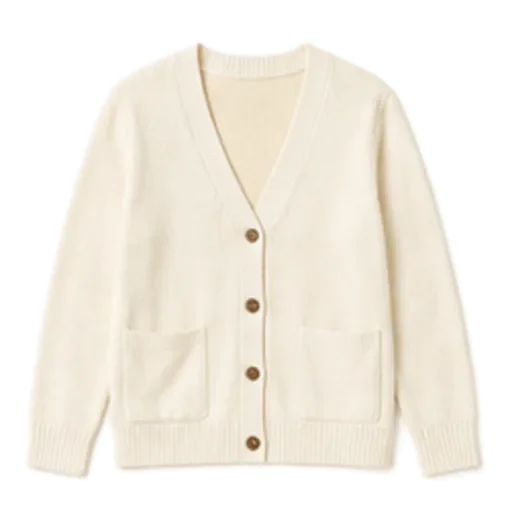
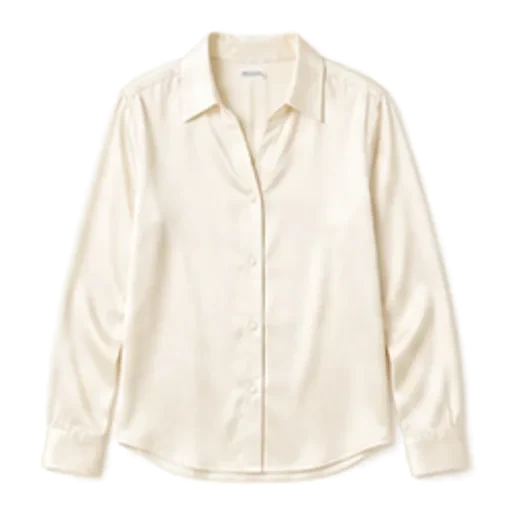
- a shirt you like,
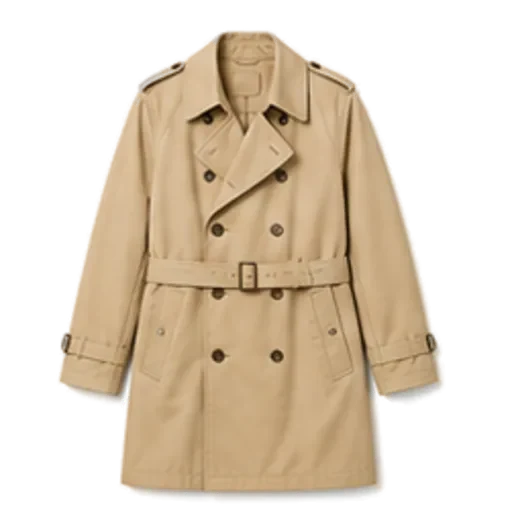
- a coat that suits the weather,
- shoes you have not worn in a while,
- a dress that fits the occasion.
The anchor piece is the shortcut. Once it is chosen, everything else only needs to go with that one thing, not with the whole wardrobe.
Step 4: Build around it (30 seconds)
Fill in the gaps in this order:
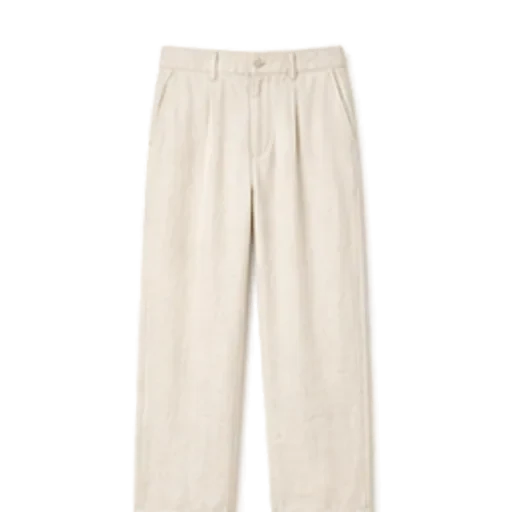
- The opposite half. Anchor is a top? Pick the bottom. Anchor is trousers? Pick the top.
- Shoes. Weather first, formality second.
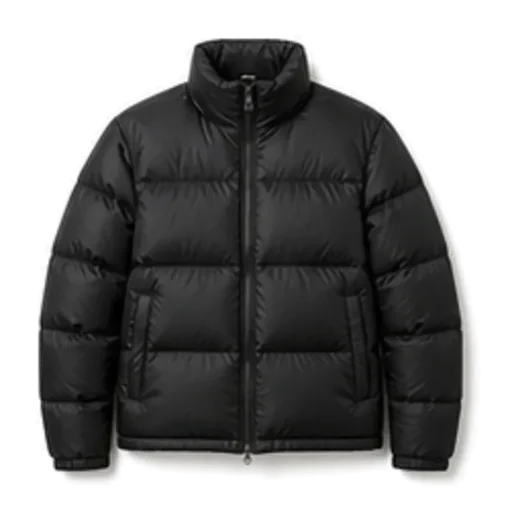
- Outer layer. If the forecast needs one.
- One extra, if any. A belt, a scarf, a watch.
Keep colours simple: one or two main colours plus a neutral, such as navy, grey and white, or black, camel and cream. If you want more combinations from the same clothes, our guide to mixing and matching clothes has the formulas.
Three worked examples
A cold, dry office day
- Weather: 4°C (39°F) rising to 9°C (48°F), dry, light wind.
- Plans: office, one internal meeting.
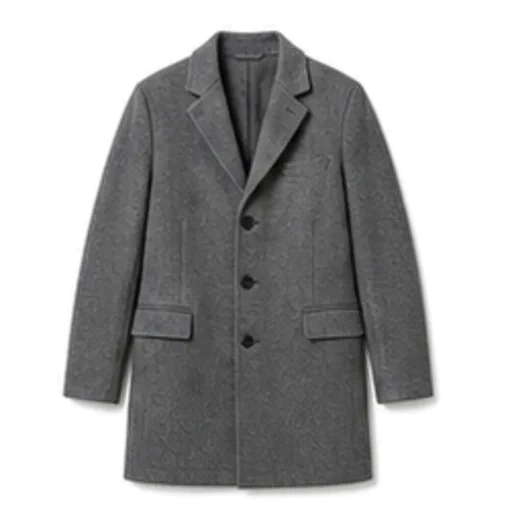
- Anchor: the wool overcoat.
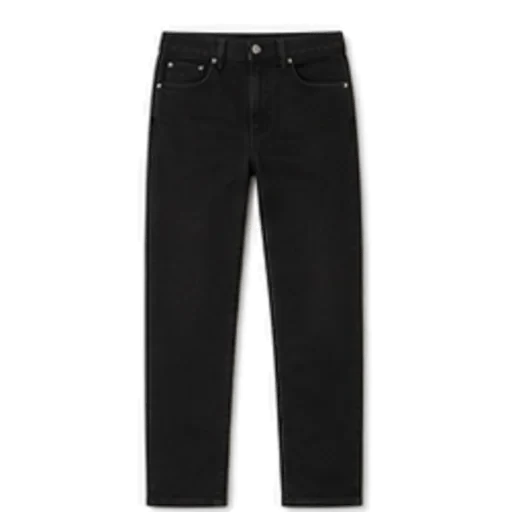
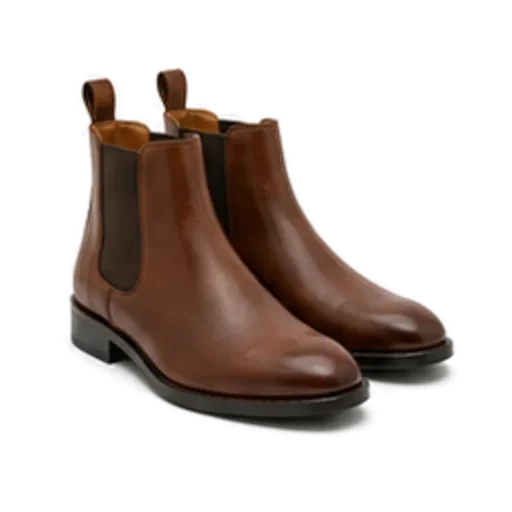
- Outfit: oxford shirt, a crew-neck knit over it, black jeans, Chelsea boots, wool overcoat.
A mild day that turns wet
- Weather: 13°C (55°F), showers from midday.
- Plans: working from a café, dinner with friends.
- Anchor: a striped long-sleeve tee.
- Outfit: striped long-sleeve tee, straight-leg jeans, ankle boots, a raincoat that works for dinner too.
A warm Saturday
- Weather: 24°C (75°F), sunny.
- Plans: market in the morning, barbecue in the afternoon.
- Anchor: a linen shirt or a sundress.
- Outfit: linen shirt with tailored shorts and espadrilles, or a sundress with white trainers, plus sunglasses.
Common mistakes that cost you time
Most morning outfit stress comes from a few repeat errors.
- Dressing for the moment you leave. It is 7°C (45°F) at 8am and 16°C (61°F) by lunch. If you put on a heavy jumper with nothing underneath, you are too hot all afternoon. Build from a base layer up.
- Choosing shoes last. Shoes are the one thing you cannot take off at your desk. On a wet day, a great outfit with suede trainers is a bad outfit.
- Starting with the hardest piece. If you begin with the patterned trousers you never know how to wear, you will spend ten minutes trying tops. Start with something easy, or make the tricky piece your anchor only when you have time.
- Trying on too many things. If the first full outfit is fine, it is fine. Nobody else will remember it as well as you remember the alternatives.
- Ignoring the evening. If you are going straight from work to dinner, pick the version of the outfit that works for both, then change one piece, such as trainers for boots, if you can.
When you are completely stuck
Some mornings nothing feels right. Use a fallback:
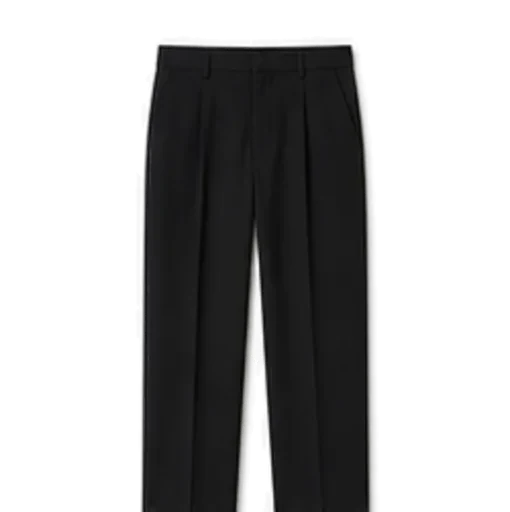
- Your darkest pair of well-fitting trousers or jeans.
- A plain top in a neutral colour: white, grey, navy or black.
- Your most comfortable smart-ish shoes.
- Whatever coat the weather needs.
That combination is almost never wrong, and it takes thirty seconds. Save the more interesting choices for days with more time.
Make tomorrow even faster
The two-minute method works on the day. These habits make it closer to zero:
- Decide the night before. Same steps, less pressure.
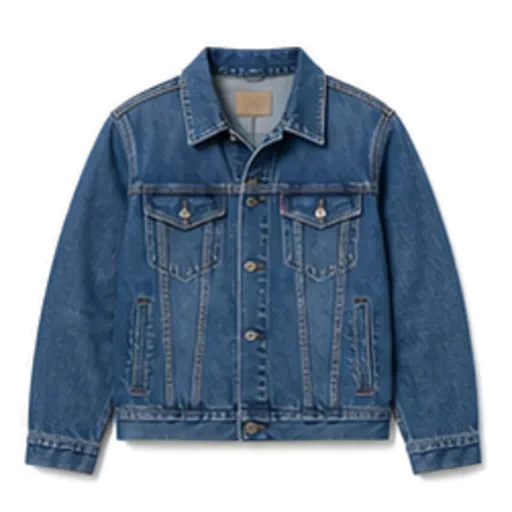
- Keep three go-to formulas. For example: knit + dark jeans + boots; shirt + chinos + loafers; dress + trainers + denim jacket.
- Plan a few days ahead. Ten minutes on Sunday covers most of the week. Our weekly outfit planning routine shows how.
- Save what works. When an outfit gets a compliment or just feels right, write it down or save it.
How Foxdrobe helps
Foxdrobe runs the same method for you, in seconds, from clothes you own:
- Weather first. Suggestions read today's forecast, including temperature, conditions, rain and wind, so layers, jackets and shoes change with the weather.
- Plans second. Tell Fenn, the fox stylist, the occasion, such as "office then dinner", and Style me builds a complete outfit only from your closet, with a sentence explaining why the pieces work together.
- Another take. Not feeling it? Ask again for a different outfit.
- A quick check. Already dressed? Check this outfit gives a score, plain-English feedback and swaps from your closet.
- Ahead of time. The planner lets you plan the days ahead, keep a record of what you wore and save looks that worked.
- At a glance. A home screen widget keeps it one look away in the morning.
There are no shopping links: every suggestion comes from what is already in your wardrobe. See the features for the full list.
The method on one line
Weather, then plans, then one anchor piece, then fill in the rest. Do it in that order and "what should I wear today" becomes a two-minute question instead of a twenty-minute one.