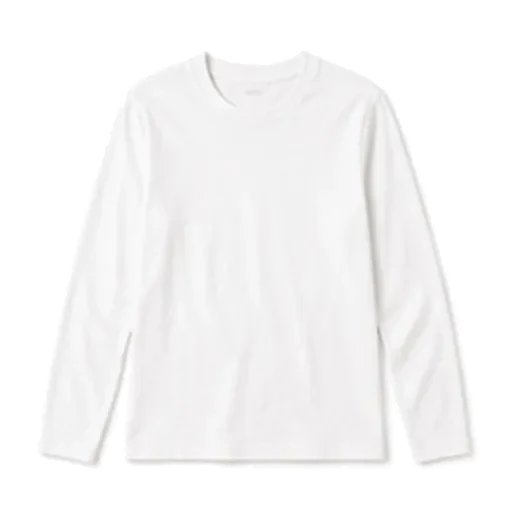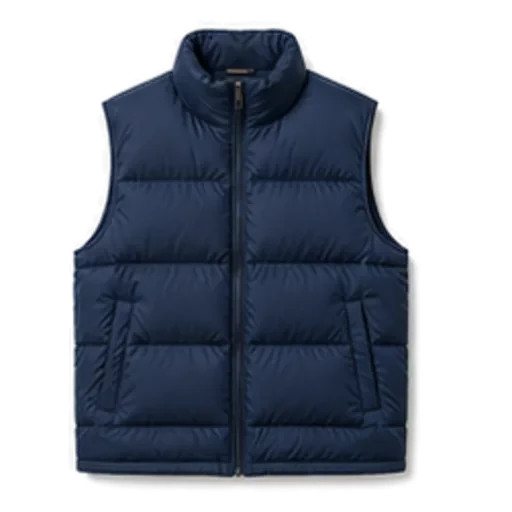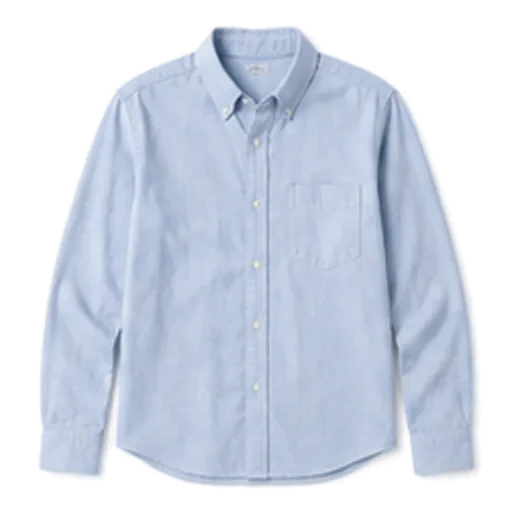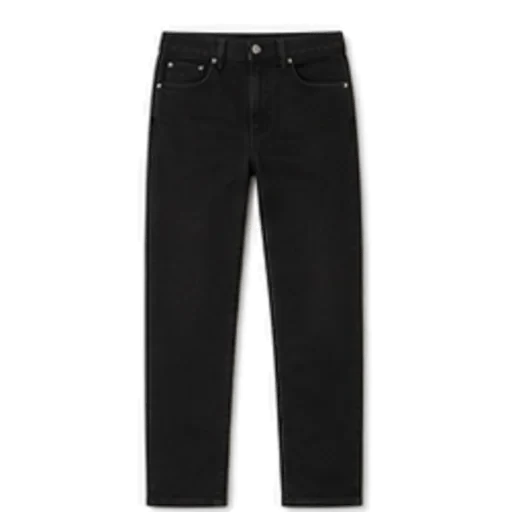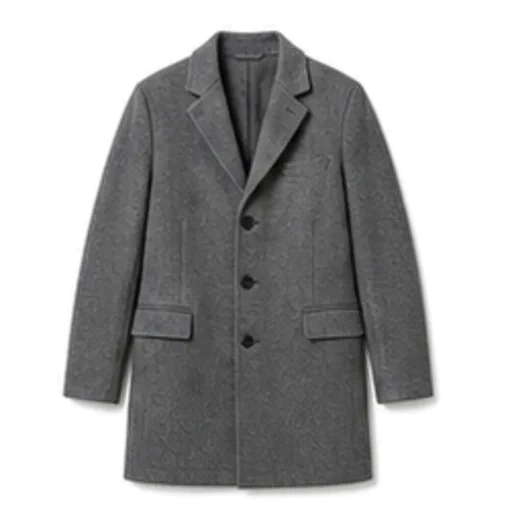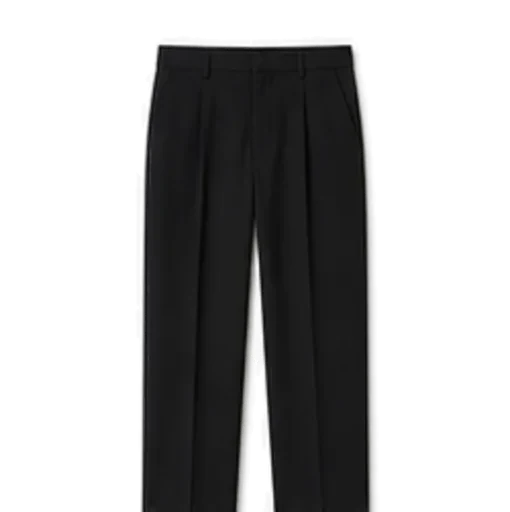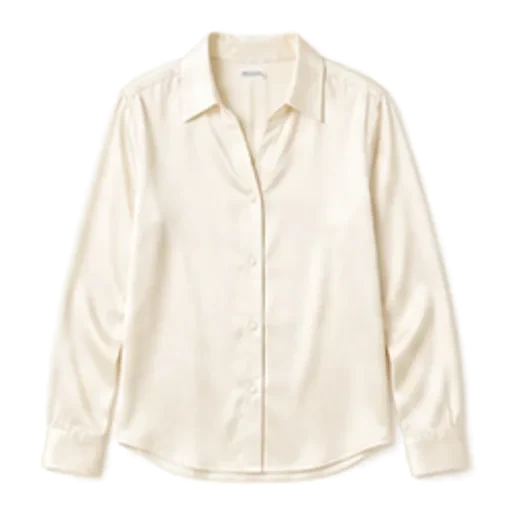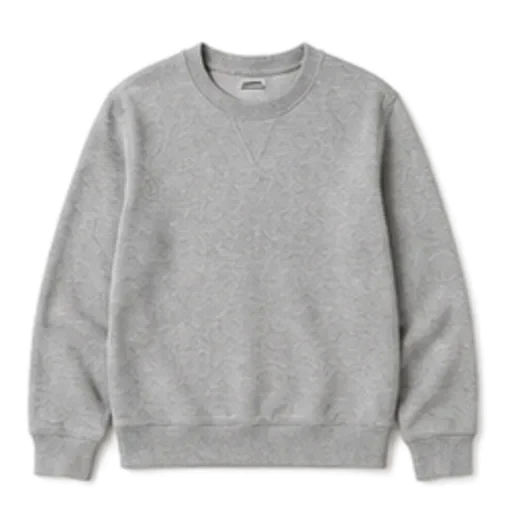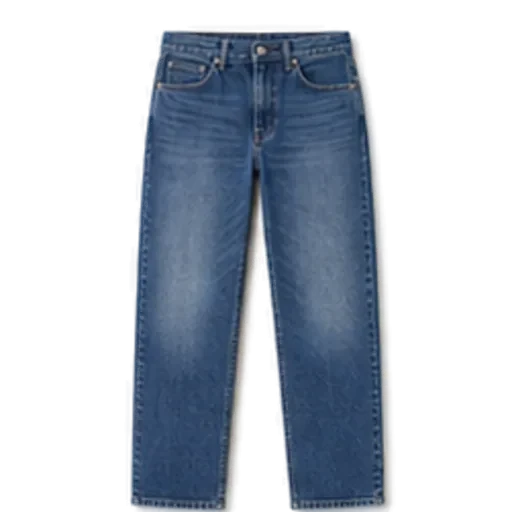
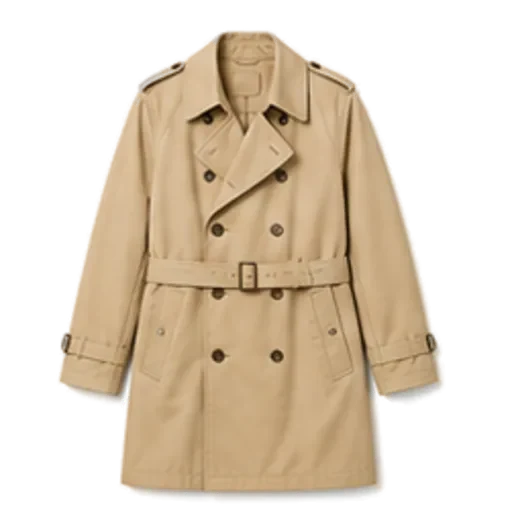
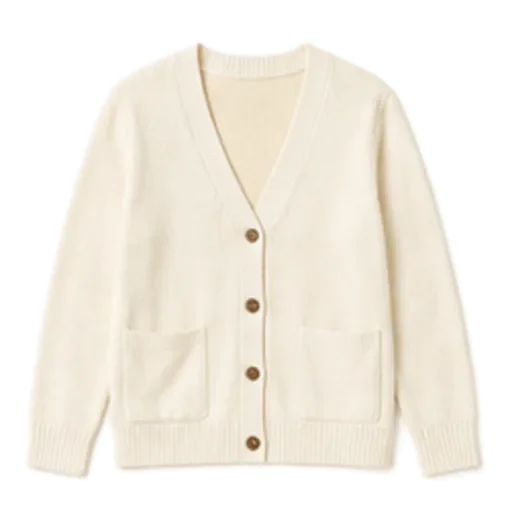
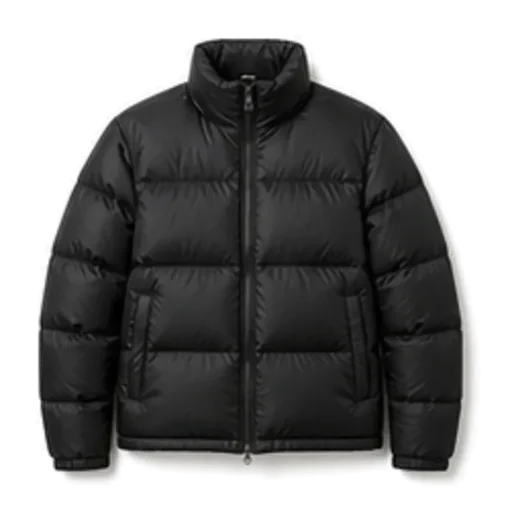
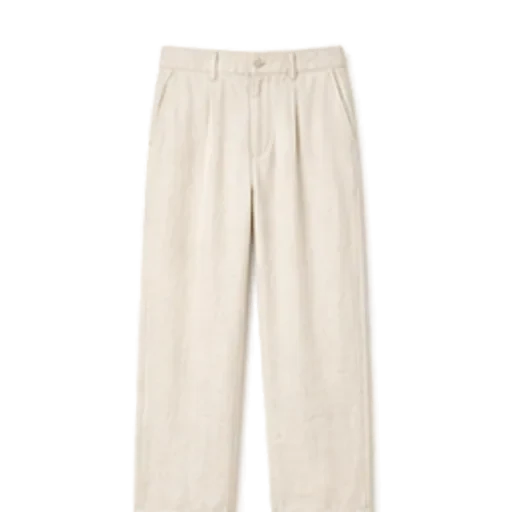
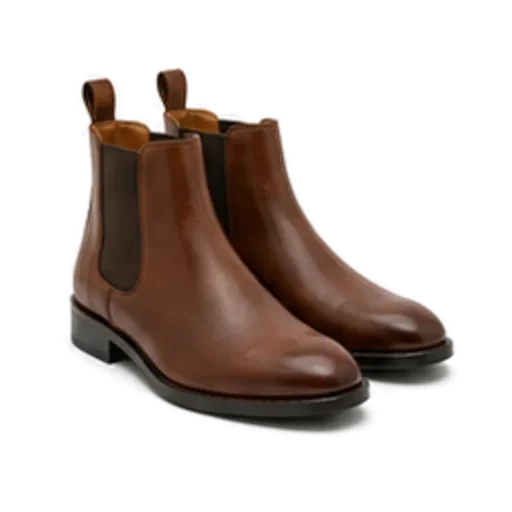
In 60 degree weather (about 15 to 16°C), wear trousers or jeans, a long-sleeve top or a tee with a light layer, and closed shoes. A denim jacket, cardigan, light knit or trench coat is usually enough, with something waterproof if it might rain. It is the classic "one layer you can take off" temperature.
Below is the same answer for every temperature band, from freezing to properly hot, in both °C and °F, with concrete outfits and the adjustments for wind, rain and sun.
The quick guide: what to wear by temperature
| Temperature | Feels like | Top and layers | Bottoms | Shoes | Example outfit |
|---|---|---|---|---|---|
| Below 0°C (below 32°F) | Freezing | Thermal or long-sleeve base, thick knit, insulated coat, hat, scarf, gloves | Lined or heavy trousers, tights under skirts | Insulated or waterproof boots | Turtleneck, wool trousers, puffer jacket, beanie, hiking boots |
| 0–5°C (32–41°F) | Cold | Long-sleeve base, knit sweater, warm coat, scarf | Jeans, corduroy, wool trousers | Boots | Knit sweater, black jeans, wool overcoat, Chelsea boots |
| 5–10°C (41–50°F) | Chilly | Long-sleeve top or knit, mid-weight coat | Jeans, chinos, trousers | Boots or leather trainers | Oxford shirt, crewneck sweatshirt, chinos, pea coat, ankle boots |
| 10–15°C (50–59°F) | Cool | Long-sleeve top plus light jacket or knit | Jeans, chinos, midi skirt with tights | Trainers, loafers, ankle boots | Long-sleeve tee, straight-leg jeans, trench coat, loafers |
| 15–18°C (59–64°F) | Mild | Tee or shirt plus light layer you can remove | Jeans, chinos, skirts | Trainers, loafers, flats | White tee, cardigan, chinos, white trainers |
| 18–21°C (64–70°F) | Pleasant | Tee, blouse, light shirt; layer optional | Jeans, chinos, skirts, light dresses | Trainers, flats, loafers | Silk blouse, straight-leg jeans, ballet flats |
| 21–24°C (70–75°F) | Warm | Tee, short-sleeve shirt, light dress | Lightweight trousers, skirts, tailored shorts | Trainers, sandals | Linen shirt, linen trousers, espadrilles |
| 24–29°C (75–84°F) | Hot | Breathable short sleeves, tank, sundress | Shorts, linen trousers, light skirts | Sandals, canvas trainers | Tank top, denim shorts, slides, sunglasses |
| Above 29°C (above 84°F) | Very hot | Loose linen or cotton, light colours | Loose shorts, maxi skirts, linen trousers | Sandals | Sundress or loose linen set, wide-brim hat, strappy sandals |
Use the table as a starting point. People run hot and cold differently, so if you are always the one asking for the heating on, shift one band colder.
What to wear in 60 degree weather, in detail
Sixty degrees Fahrenheit is the most-searched temperature for a reason. It is warm enough that a winter coat is wrong and cool enough that a tee alone often is too. The answer is a light, removable layer.
Good 60°F combinations:
- Long-sleeve tee, straight-leg jeans, denim jacket, white trainers
- Oxford shirt, chinos, cardigan, loafers
- Light knit sweater, midi skirt, ankle boots
- White tee, black jeans, trench coat, Chelsea boots
- Shirt dress, light cardigan, trainers
What to skip: heavy wool coats, shorts (unless you run warm and it is sunny), and sandals in the morning.
Adjust for the conditions:
- Sunny and still: 60°F feels warmer. A long-sleeve top alone may be enough.
- Windy: it can feel like the low 50s. Choose a layer that blocks wind, like a trench coat or windbreaker, rather than an open-knit cardigan.
- Rainy: swap the denim jacket for a raincoat or trench, and avoid suede shoes.
- Morning to evening: if it starts at 50°F and hits 65°F by lunch, dress for the morning and make sure the top layer is easy to carry.
Feels-like temperature matters more than the number
Two days at 12°C (54°F) can need completely different outfits. Here is what shifts it:
- Wind strips heat quickly. A breezy 10°C (50°F) can feel closer to 6°C (43°F).
- Humidity makes heat feel heavier. At 27°C (81°F) with high humidity, prioritise loose, breathable fabrics like linen and cotton.
- Sun versus shade can feel like several degrees of difference in spring and autumn.
- Time outside. A five-minute walk to the car is not the same as a 40-minute commute on foot.
If the forecast shows a big swing, the answer is layering. There is a full guide to layering clothes for changing weather covering base, mid and outer layers.
Fabrics by temperature
The right fabric does as much as the right garment.
- Cold (below 10°C / 50°F): wool, cashmere, fleece, flannel, corduroy, down or synthetic insulation.
- Cool to mild (10–21°C / 50–70°F): cotton, denim, light wool, jersey, chambray.
- Warm to hot (above 21°C / 70°F): linen, lightweight cotton, seersucker, loose viscose. Avoid heavy denim and polyester that does not breathe.
Shoes by temperature and conditions
Shoes are where weather mistakes hurt most.
- Below 5°C (41°F) or wet: leather boots, Chelsea boots, rain boots, hiking boots.
- 5–18°C (41–64°F): trainers, loafers, ankle boots, brogues.
- 18–24°C (64–75°F): trainers, ballet flats, loafers, espadrilles.
- Above 24°C (75°F): sandals, slides, canvas trainers.
Building a temperature-ready closet
You do not need a full wardrobe for every band. Most closets cover the whole table with a few key layers:
- A warm insulated coat for the coldest days
- A mid-weight coat, such as a wool overcoat or pea coat
- A light jacket, such as a trench, denim jacket or windbreaker
- Two or three knits or cardigans of different weights
- A waterproof layer
The tees, shirts and trousers underneath stay mostly the same; the layers change around them. If you plan your outfits ahead, checking the week's forecast first makes a big difference, which is covered in how to plan outfits for the week.
How Foxdrobe helps
The table above is a good rule of thumb. Foxdrobe applies it to your own closet, every morning, using the actual forecast.
- Weather-aware outfits. When you ask Fenn, the fox stylist in the app, for an outfit, the suggestion reads today's forecast: temperature, conditions, rain and wind. Layers, jackets and shoes change with the weather, so the trench coat shows up on a windy 14°C (57°F) day and the puffer on a 2°C (36°F) one.
- Only clothes you own. Every outfit is built from your closet, with a sentence explaining why the pieces work together. Ask again if you want another take.
- Tagged by season. When you add a garment, Foxdrobe tags category, colour, pattern, season and formality, all editable, so cold-weather and warm-weather pieces are sorted from the start.
- Plan around the week's weather. Use the planner to set outfits for the days ahead, and the home screen widget to see what you are wearing at a glance.
The short version
At 60°F (15 to 16°C), wear trousers, a long-sleeve top or tee, a light removable layer and closed shoes. Below that, add weight and cover; above it, strip back and choose breathable fabrics. Always check wind and rain, dress for the feels-like temperature, and carry the layer you might need later. For a faster daily routine, see what to wear today.