To layer clothes well, wear three thin layers rather than one thick one: a base layer next to your skin, a mid layer for warmth, and an outer layer that stops wind and rain. Each one should come off without ruining the outfit, so you can adjust as the day goes from a cold 7°C (45°F) morning to a 17°C (63°F) afternoon. Below is the system, a temperature guide, and how to handle rain, wind and office heating.
How to layer clothes: the three-layer system
The idea comes from outdoor clothing, but it works just as well for a commute.
Base layer: next to the skin
Its job is comfort, not warmth. It should be thin, soft and close to the body.
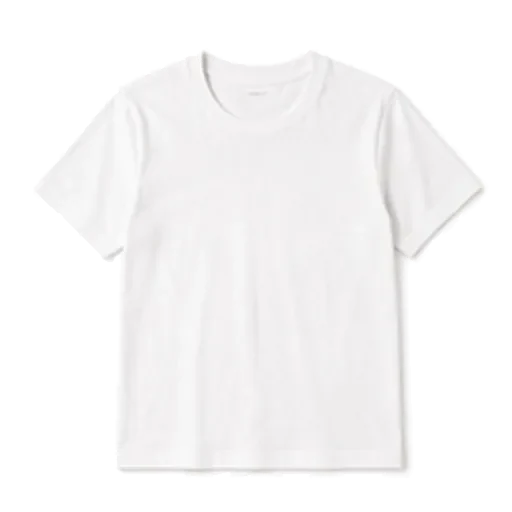
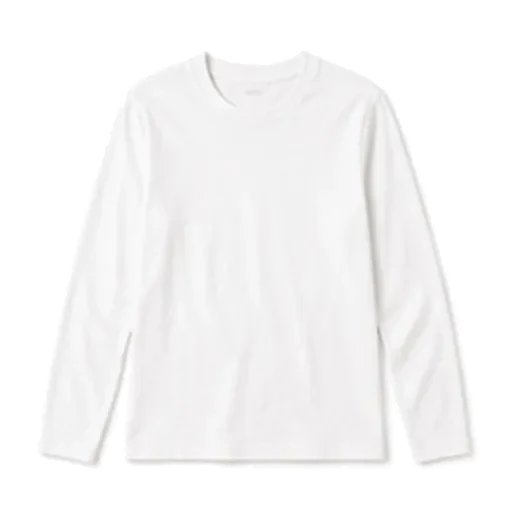
- Everyday options: white or black tee, long-sleeve tee, fine-knit turtleneck, camisole, bodysuit.
- Fabric: cotton is fine for everyday wear; merino wool or a thermal is better on genuinely cold days because it stays warm when you get a bit sweaty.
- Key rule: choose a base layer you are happy to be seen in. On a warm afternoon it may be all you have on.
Mid layer: the warmth
This is the layer that traps heat, and the one you will take off and put back on most often.
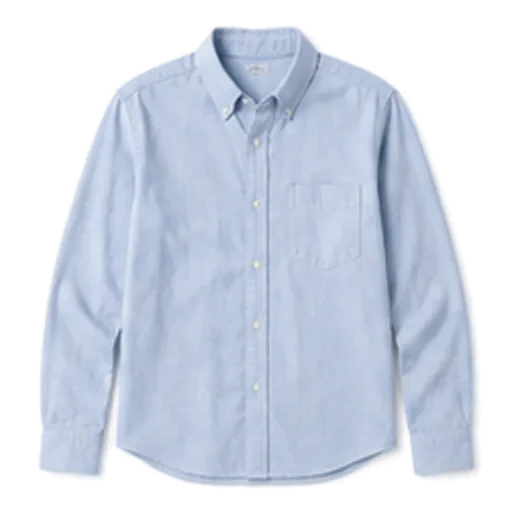
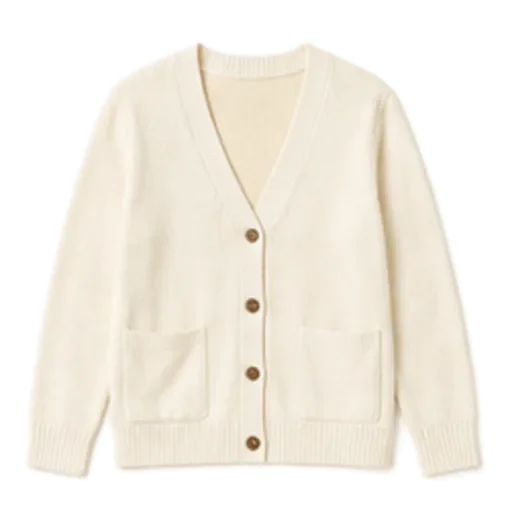
- Light: cardigan, oxford shirt worn open, sweatshirt, shacket.
- Medium: knit sweater, fleece jacket.
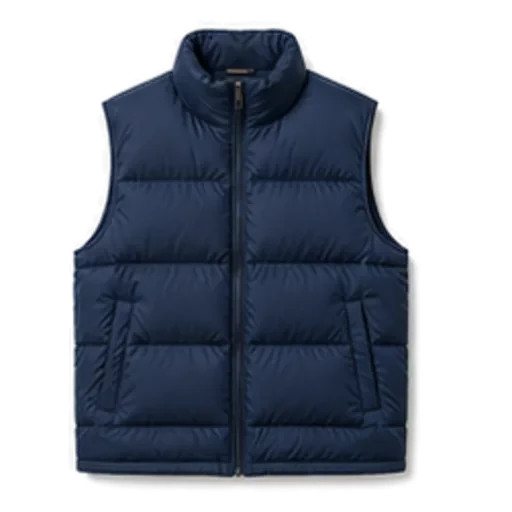
- Warm: chunky knit, down vest.
A down vest is the most underrated mid layer: it keeps your core warm, leaves your arms free and packs into a bag. A cardigan is the easiest to remove indoors.
Outer layer: weather protection
The outer layer blocks wind and rain and adds insulation in real cold.
- Mild and dry: denim jacket, chore coat, blazer, bomber.
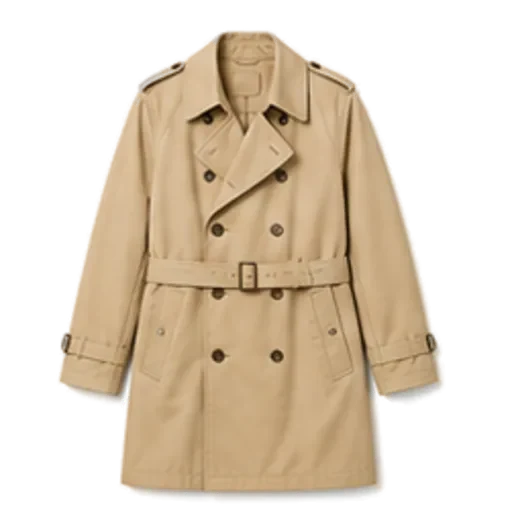
- Mild and wet: trench coat, raincoat, anorak.
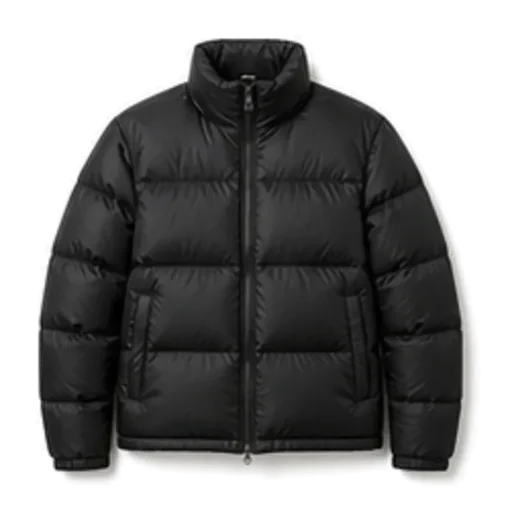
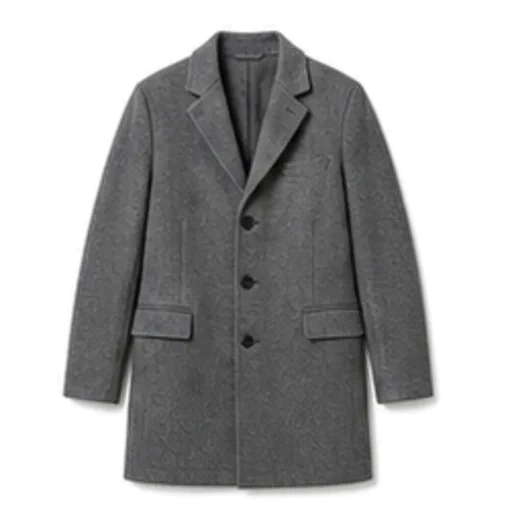
- Cold: wool overcoat, pea coat, puffer jacket.
- Very cold or wet and windy: parka.
The outer layer should be roomy enough to go over your mid layer without pulling across the shoulders — try your coat on over your thickest jumper before winter arrives.
A layering guide by temperature
Use this as a starting point and adjust for wind, sun and how warm you run.
| Temperature | Base | Mid | Outer | Extras |
|---|---|---|---|---|
| Below 0°C (32°F) | Thermal or merino | Thick knit or fleece | Parka or puffer | Hat, gloves, scarf, boots |
| 0–5°C (32–41°F) | Long-sleeve tee | Knit sweater | Wool overcoat or puffer | Scarf, gloves |
| 6–10°C (43–50°F) | Long-sleeve tee | Knit or down vest | Trench or pea coat | Scarf optional |
| 11–15°C (52–59°F) | Tee | Cardigan or light knit | Denim jacket or trench | — |
| 16–20°C (61–68°F) | Tee | Open shirt or shacket | Usually none | — |
| 21°C+ (70°F+) | One breathable layer | — | — | Sun hat, sunglasses |
For a full degree-by-degree breakdown, see our guide to what to wear by temperature.
Dressing for a day with a big temperature swing
The hardest days are the ones that start at 6°C (43°F) and finish at 18°C (64°F). The trick is to dress for the warmest part of the day, then layer up for the morning.
- Pick a base layer that stands alone. A good tee or long-sleeve top, not a vest you would not want seen.
- Pick a mid layer you can carry. A cardigan, a light knit you can tie round your shoulders, or a packable down vest.
- Pick an outer layer that opens fully. A trench or chore coat you can wear open at lunchtime beats a pullover anorak.
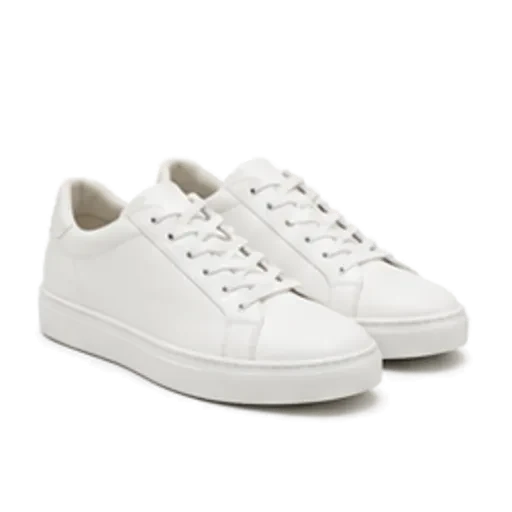
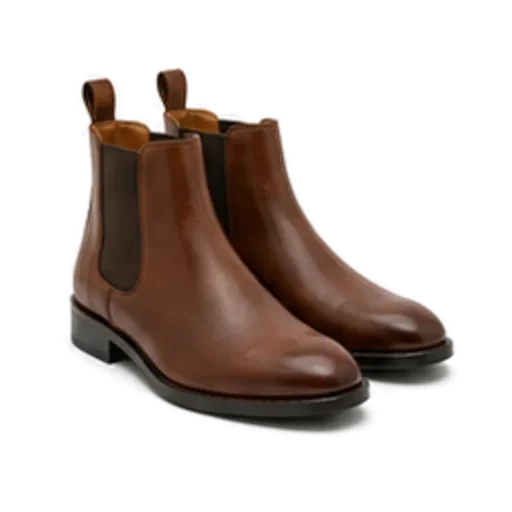
- Choose shoes for the coldest, wettest moment. You cannot take your shoes off at noon. Chelsea boots or leather trainers cover most swing days.
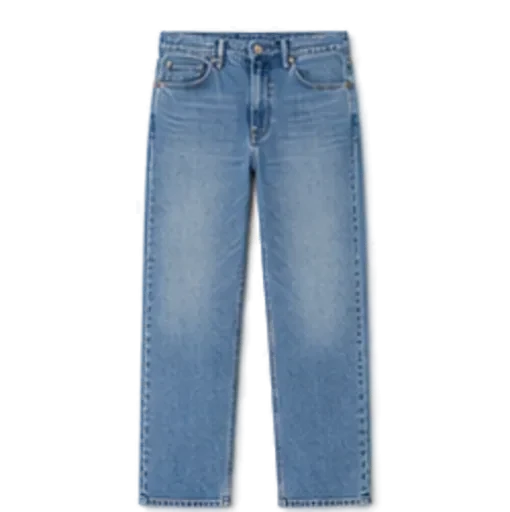
Example: at 7°C rising to 17°C, wear a long-sleeve tee, a navy cardigan and a trench, with straight-leg jeans and Chelsea boots. By lunchtime the trench is open; by mid-afternoon the cardigan is over your arm and the outfit still looks finished.
Layering for rain
- The outer layer does all the work. A trench or raincoat over a knit keeps you dry without a heavy coat on a mild wet day around 12°C (54°F).
- Avoid cotton outer layers in a downpour — denim and canvas soak through and stay cold.
- Think about the bottom half. Long coats protect your trousers; wide-leg trousers drag in puddles.
- Shoes matter most. Rain boots, leather boots or treated trainers. Suede and canvas are fair-weather shoes.
Layering for wind
Wind makes 10°C (50°F) feel several degrees colder. A windproof outer layer — a trench, windbreaker or anorak — is worth more than an extra jumper. Close the neck with a scarf or a turtleneck base layer; that gap is where most heat escapes.
Layering for offices, trains and shops
Indoor heating is the other half of changing weather. If you go from a cold platform to a warm office, a removable mid layer is essential. Avoid a thick jumper as your only warmth under a coat — you will either be cold outside or too hot inside. A thin knit or cardigan plus a warm coat is easier to manage.
How to layer without looking bulky
- Thin to thick, inside to out. Fine knits under coats; chunky knits as the top layer only.
- Close-fitting underneath. Loose layers under loose layers bunch at the arms and waist.
- Play with length. Let each layer show a little below the one above, or keep the hems aligned on purpose.
- Keep one colour family. Grey tee, charcoal knit, black coat reads as one outfit rather than a pile of clothes.
- Watch the collars. A shirt collar over a crewneck is neat; a hood under a structured coat collar fights it.
How Foxdrobe helps you layer for the forecast
The hard part of layering is knowing what the day will do before you leave. Foxdrobe is built to take that guesswork out.
- Weather aware. Suggestions read today's forecast — temperature, conditions, rain and wind — so layers, jackets and shoes change with the weather. On a cold, wet morning you will get the trench and boots; on a mild dry one, a cardigan and trainers.
- Style me. Tell Fenn, the fox stylist inside the app, where you are going and you get a complete layered outfit built only from garments you own, with a sentence explaining why the pieces work together. Ask again for another take.
- Season and formality tags. When you add clothes, Foxdrobe tags category, colour, pattern, season and formality, all editable — so your down vest and your linen shirt are not competing for the same January morning.
- Check this outfit. Already layered up? Photograph it and Fenn gives a score, plain-English feedback and swaps from your own closet.
- Planner. Plan outfits for the days ahead, and save the layered looks that worked for swing days. The home screen widget keeps today's look in view.
You can read more on the features section.
The short version
Thin base, warm mid, protective outer. Dress for the warmest part of the day and layer up for the morning; choose shoes for the coldest, wettest moment; and make sure every layer can come off without ruining the outfit. If you are packing for a trip with unpredictable weather, the same system is the core of a good travel capsule wardrobe, and our guide to what to wear today turns it into a two-minute morning routine.