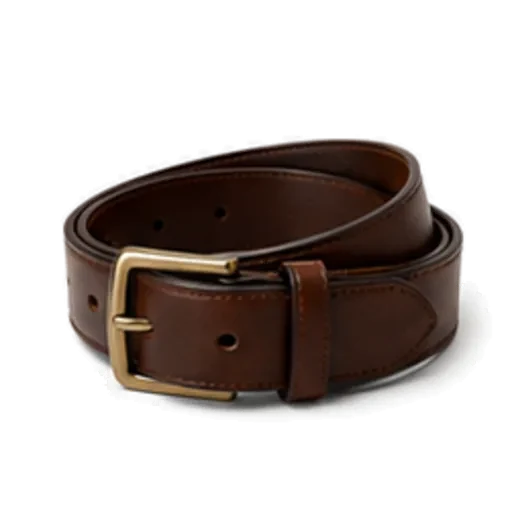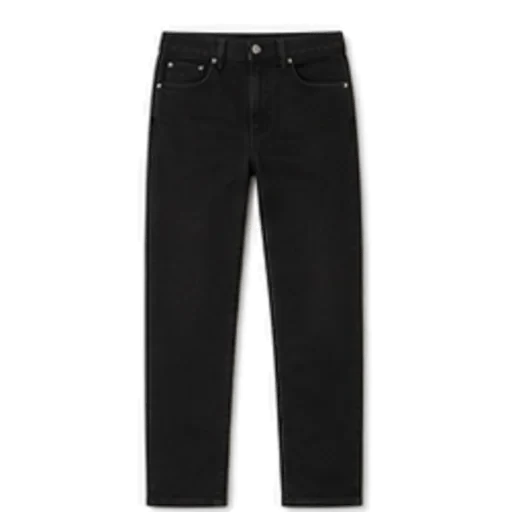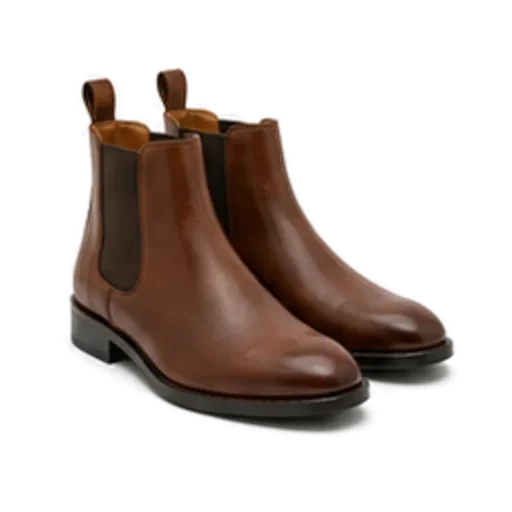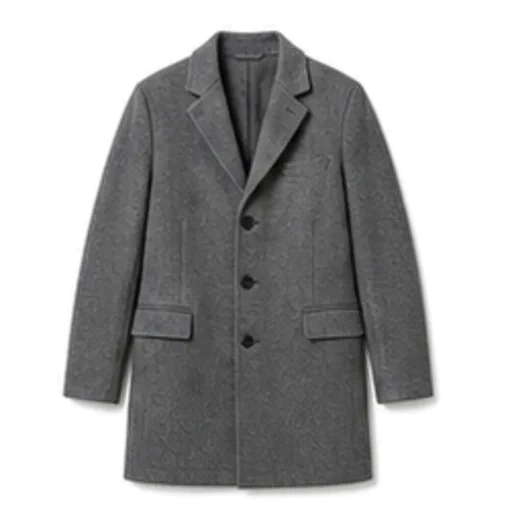
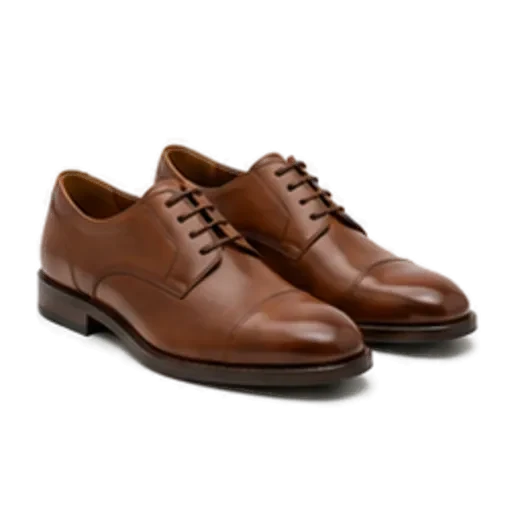
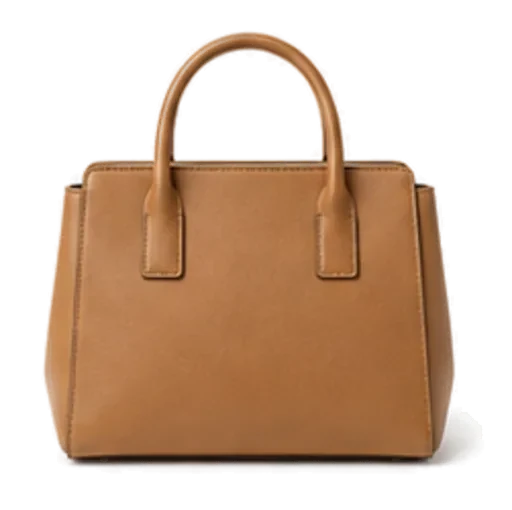
For a job interview, wear one level smarter than the people who already work there: for most roles that means tailored trousers or a skirt, a shirt or blouse, a blazer and clean leather shoes in neutral colours. Formal industries such as law and finance still expect a suit; tech, creative and start-up interviews usually call for smart business casual. Whatever the level, clothes that fit well and that you have worn before matter more than anything you could buy for the occasion.
The one rule: dress one level up
Before thinking about specific garments, work out the company's everyday dress code, then go one step above it. If staff wear hoodies, you wear a knit and chinos. If they wear business casual, you add a blazer. If they wear suits, you wear a suit.
How to find out:
- Look at the company's careers page, LinkedIn photos and social accounts.
- Ask the recruiter or hiring coordinator. It is a normal question, and the answer is useful.
- If you know someone who works there, ask them.
When in doubt, dress smarter. Looking a little formal reads as respect; looking underdressed can read as not taking it seriously.
What to wear to a job interview, by industry
| Industry | Dress code | Example outfit |
|---|---|---|
| Law, finance, consulting | Formal business | Dark suit, white or light blue shirt, optional tie; or suit with trousers or skirt and a silk blouse; leather shoes |
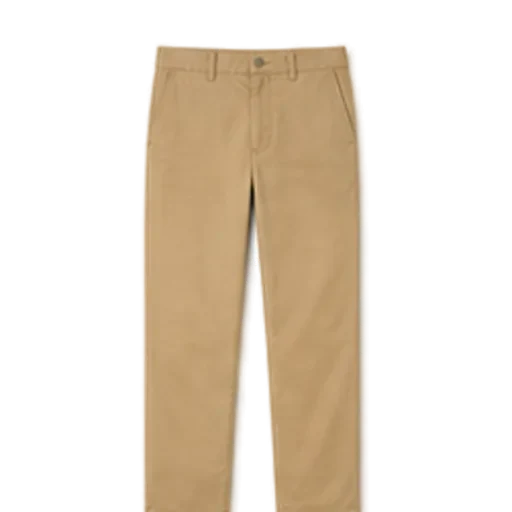
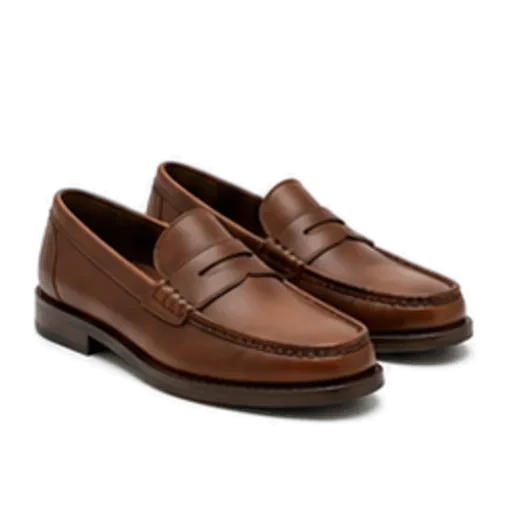
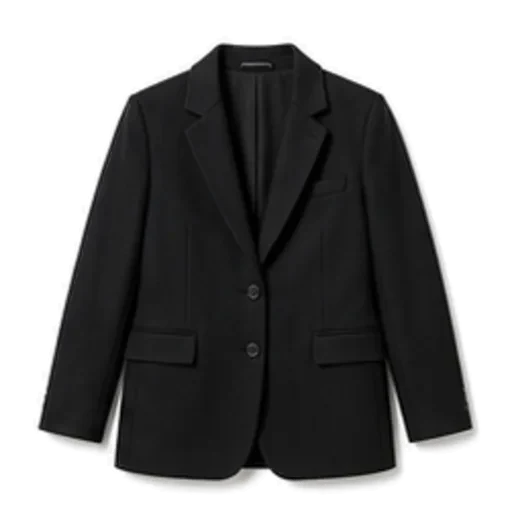
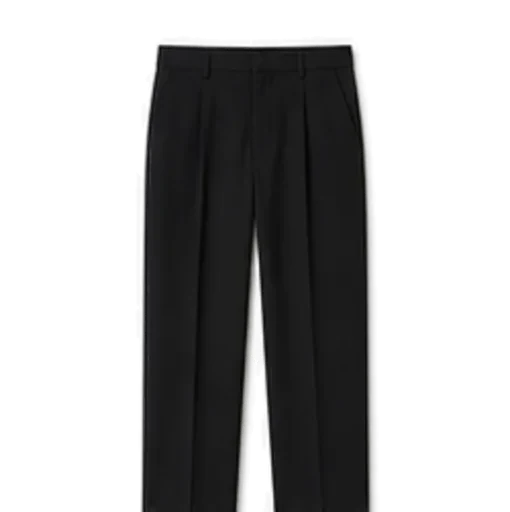
| Corporate, sales, public sector | Smart business casual | Blazer, tailored trousers or pencil skirt, shirt or blouse, loafers or derbies |
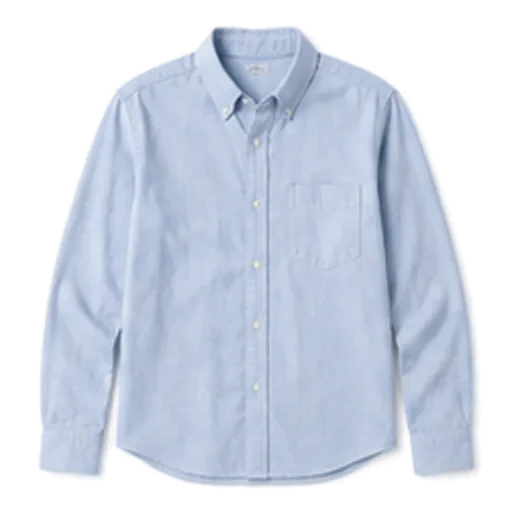
| Tech and start-ups | Business casual | Chinos or dark jeans, oxford shirt or fine knit, unstructured blazer, clean leather trainers or loafers |
| Creative, media, design | Smart with personality | Tailored trousers, a knit or interesting top, a good jacket, one considered detail |
| Healthcare, education | Neat business casual | Chinos or trousers, a shirt or blouse, a cardigan or blazer, comfortable smart shoes |
| Retail, hospitality | Polished version of the brand | A smarter version of what staff wear, in the brand's general style |
| Trades, warehouse, outdoor roles | Clean and practical | Clean chinos or dark jeans, polo or button-down, clean boots |
Formal interviews
A well-fitted suit in navy or charcoal is still the standard. Pair it with a pressed white or light blue shirt, a plain or subtly patterned tie if you wear one, and polished oxfords or derbies. A trouser or skirt suit with a silk blouse and block heels, loafers or low pumps is equally formal. If you do not own a suit, a tailored blazer with matching-tone trousers comes close.
Business casual interviews
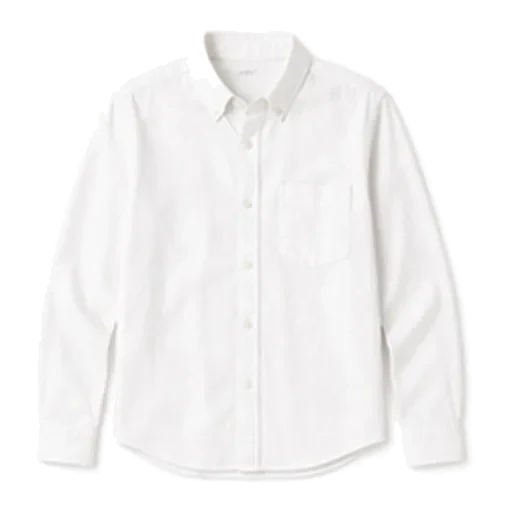
This is the most common level. A tailored blazer, tailored trousers or chinos, a white button-down or blouse, and loafers, derbies or ankle boots. A sheath or shirt dress with a blazer works too. Our guide to business casual outfits has more formulas.
Casual company interviews
Even when the office is relaxed, the interview is not the day to fully match it. Dark jeans or chinos, a crisp shirt or a fine merino knit, a jacket you can take off, and clean leather trainers or loafers. Avoid logos, slogans and anything athletic.
Outfits for different styles and identities
Professional dress is not one look. These all read as interview-ready:
- A navy suit, white shirt and brown derbies.
- Charcoal tailored trousers, cream knit and black loafers.
- A wrap dress or shirt dress with a blazer and block heels.
- A kurta set or tailored tunic with trousers, a structured bag and smart flats.
- An abaya or long dress in a deep colour with a structured jacket and leather shoes.
- Wide-leg trousers, a tucked-in silk blouse and ballet flats.
- An oversized blazer, white tee and straight trousers for a creative studio.
Wear what makes you look like the professional version of yourself. Interviewers are judging whether you look prepared and comfortable, not whether you match a template.
Video interviews
Remote and video interviews are still common, and they have their own rules.
- Dress fully. Wear proper trousers or a skirt as well as the top. You sit differently when you are dressed, and you will not panic if you have to stand up.
- Solid colours near your face. Navy, cobalt, green, burgundy and soft grey look good on most cameras. Bright white can glow and fine stripes can shimmer.
- Neat necklines. A shirt collar, a crew-neck knit or a blouse frames your face. Check it does not gape when you lean in.
- Light and background. Face a window or lamp, raise the laptop to eye level, and clear the background.
- Test it. Do a camera check in the outfit the day before.
Weather and the commute
You will be judged on how you look when you walk in, not when you left the house.
- Cold (below 5°C / 41°F): a wool overcoat or pea coat that covers your jacket, a scarf, gloves and leather boots. Take the coat off before you are called in.
- Cool (5–15°C / 41–59°F): a trench coat over your outfit.
- Hot (above 25°C / 77°F): carry your blazer rather than wearing it, choose breathable cotton or linen blends, and allow time to cool down before you go in.
- Rain: an umbrella, a coat with a hood, leather shoes rather than suede, and a few spare minutes to tidy up.
Your night-before checklist
- Is every piece clean, pressed and free of lint, pilling and loose threads?
- Have I worn the whole outfit before, sitting and walking?
- Do my shoes fit, and are they polished or wiped clean?
- Does it pass the "one level up" test for this company?
- Have I checked tomorrow's weather and planned my outer layer?
- Is my bag smart enough to carry a notepad, a copy of my CV and my phone?
- For video: have I done a camera check in the outfit?
If you are second-guessing the choice, the outfit checker guide walks through a quick self-check on fit, proportion, colour and shoes.
Common interview outfit mistakes
- Brand-new shoes. Blisters on the walk in will be all you can think about.
- Too tight or too big. A jacket that pulls across the back, or trousers that pool at the ankle.
- Heavy fragrance. Interview rooms are small.
- Noisy accessories. Bangles that clatter on the desk, a bag that will not stand up.
- Leaving it until the morning. Decide the night before. On the day, you want to think about answers, not outfits. If you are deciding on the day for something else, what to wear today has a two-minute method.
How Foxdrobe helps
Foxdrobe is an iPhone app that builds outfits from the clothes you already own, which is ideal when an interview is in two days and you are not about to buy a new wardrobe.
- Style me. Tell Fenn, the fox stylist in the app, "job interview at a tech company" or "formal interview at a bank", and you get a complete outfit from your closet, with a sentence explaining why it works. Ask again for an alternative.
- Check this outfit. Put it on and photograph it. Fenn gives a score, plain-English feedback on what is working and what is holding it back, and swaps from your own wardrobe if something is off.
- Weather aware. Suggestions read today's forecast, including rain and wind, so your coat and shoes suit the commute.
- Plan ahead. Set the interview outfit in the planner so it is decided the night before, and save it as a look if it goes well.
- Quick to set up. Photograph your blazer, trousers and shoes and Foxdrobe cuts them out and tags them, or add a white button-down or tailored trousers from a catalogue of 150 everyday garments. Twenty pieces take about five minutes.
No shopping links, no affiliate feeds: just your own clothes, put together well. Foxdrobe Pro starts with a 7-day free trial; see pricing for details.
The bottom line
Dress one level above the company's everyday dress code, choose clean, well-fitted pieces in neutral colours, and make sure you have worn the whole outfit before. Decide the night before, check the weather, and then forget about it. The best interview outfit is the one that lets you think entirely about what you are going to say.