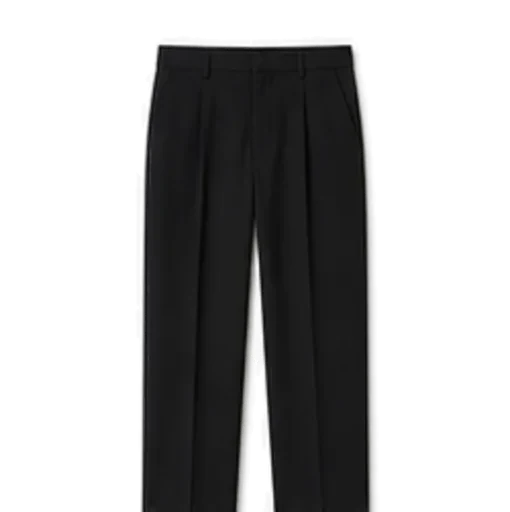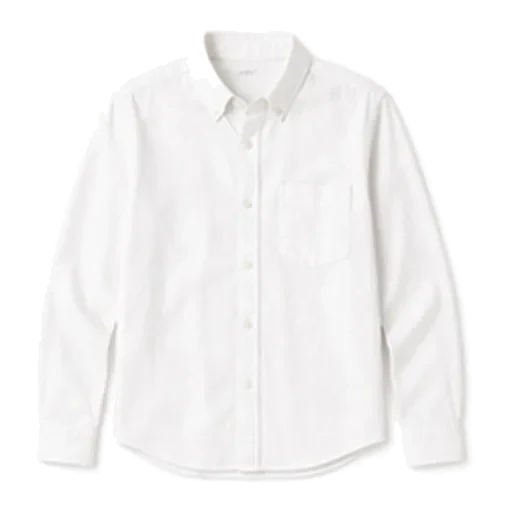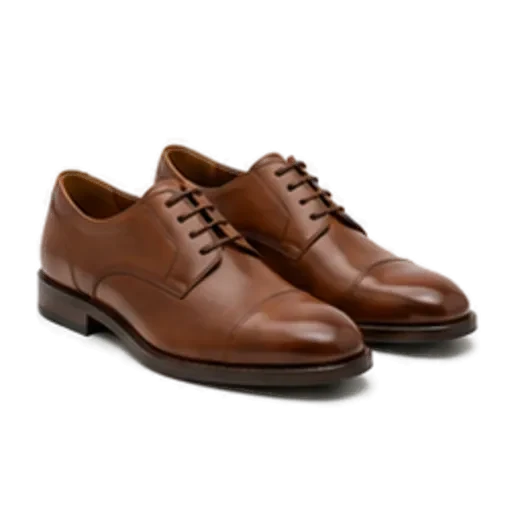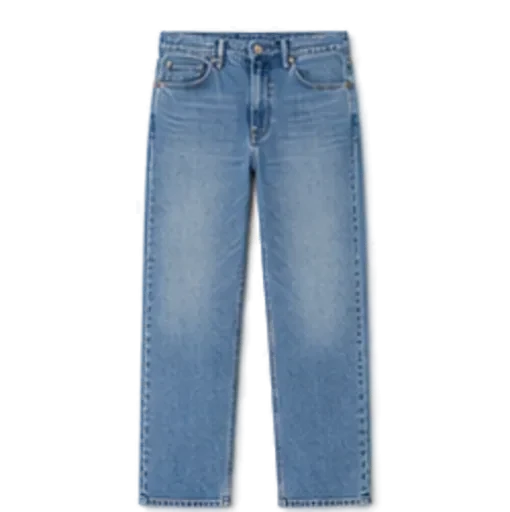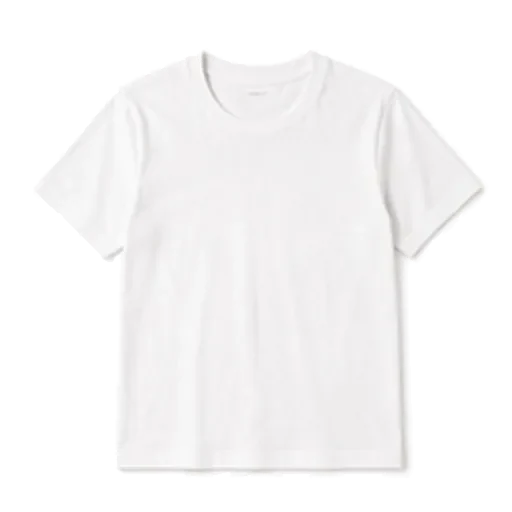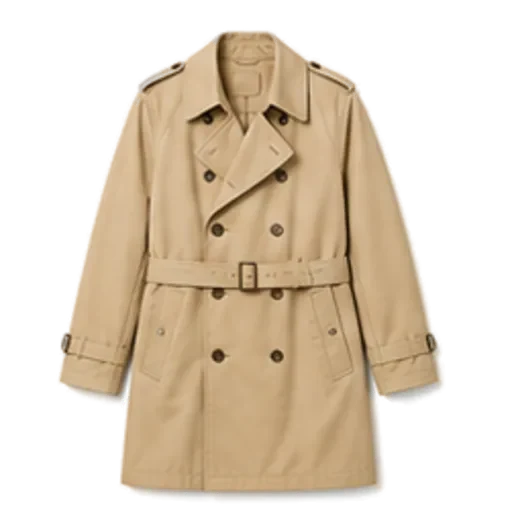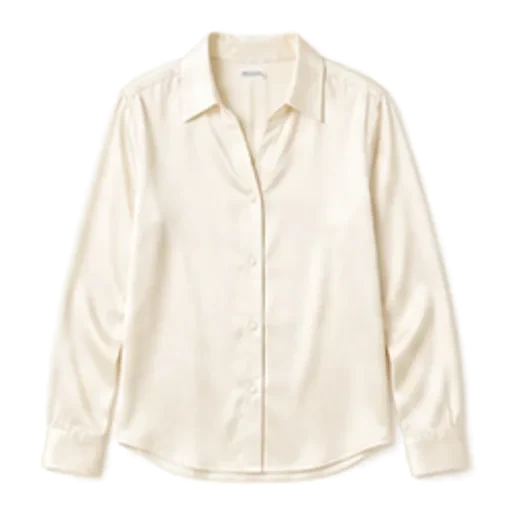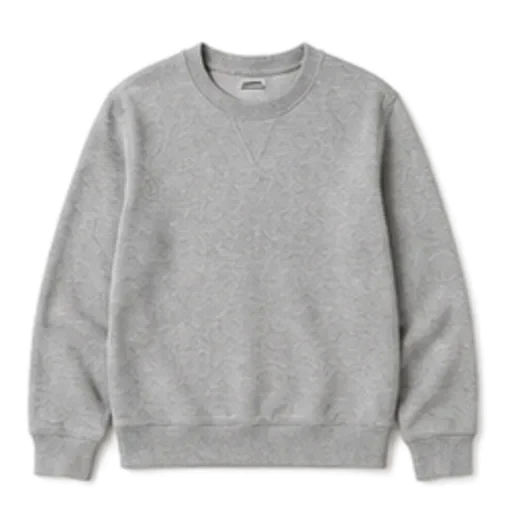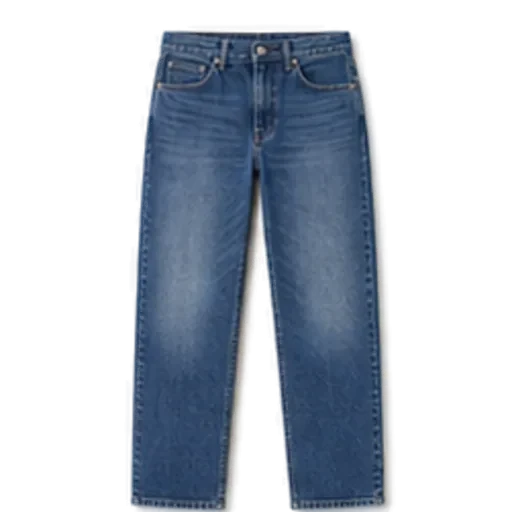
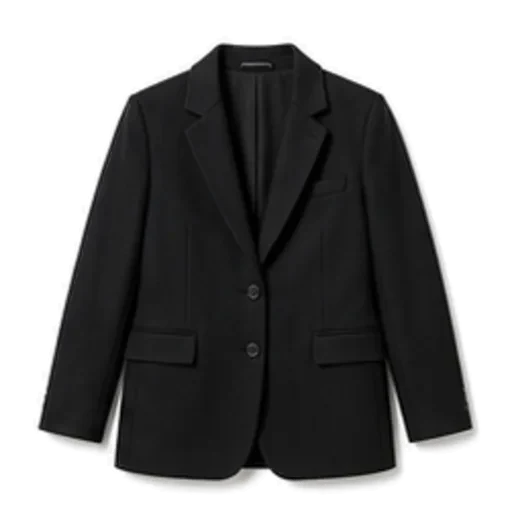
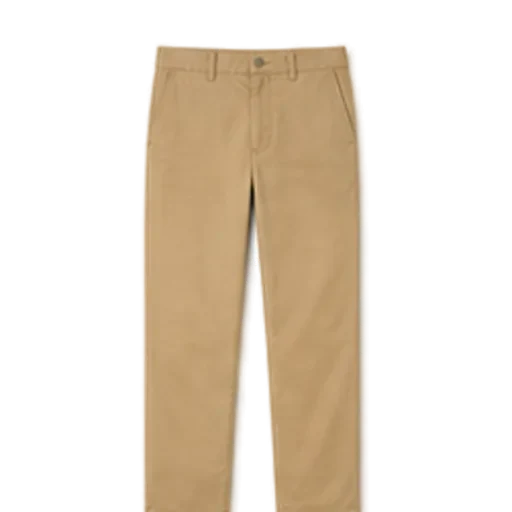
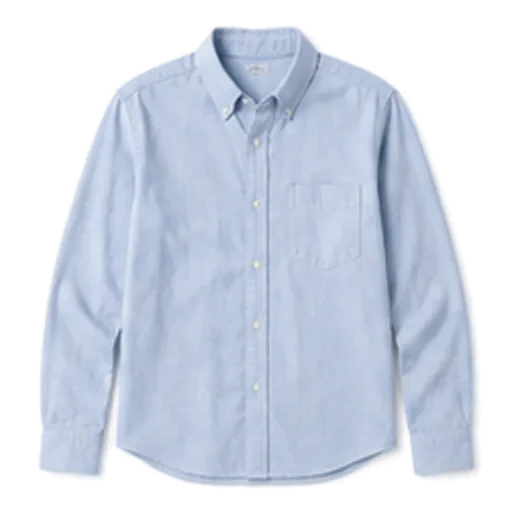
Business casual outfits sit between a suit and weekend clothes: tailored trousers or a skirt, a collared shirt, blouse or fine knit, and smart shoes, with a blazer when you want to look sharper. In 2026 most offices treat it as "polished but relaxed", which means dark jeans and clean leather trainers are often fine while hoodies, sportswear and anything faded are not. If you own a few neutral basics, you already have the start of a full business casual wardrobe.
What business casual means now
The phrase has drifted. Twenty years ago it meant khakis and a polo on Fridays. Today it is the default dress code in most offices, and it stretches from "almost a suit" in law and finance to "a nice jumper" in a design studio.
A useful way to think about it is three levels:
| Level | Where you see it | What it looks like |
|---|---|---|
| Smart business casual | Banking, law, client-facing roles, interviews | Blazer, tailored trousers or pencil skirt, shirt or blouse, leather shoes |
| Standard business casual | Most corporate offices | Chinos or tailored trousers, oxford shirt or knit, loafers or ankle boots, optional blazer |
| Relaxed business casual | Tech, media, creative agencies | Dark jeans, fine knit or tee under a jacket, clean leather trainers |
If you are not sure which level your workplace is, aim for standard. It is easy to dress down by taking a blazer off; it is harder to dress up when you arrived in a sweatshirt.
The rules that actually matter
Business casual is less about specific garments and more about a few signals. Get these right and the exact pieces matter much less.
- Structure. At least one piece should have shape: a blazer, a collared shirt, tailored trousers, a structured bag. An outfit that is all soft jersey reads as weekend.
- Clean and pressed. Creases, pilling, faded black and stretched necklines undo an otherwise good outfit faster than any style choice.
- Neutral base, one point of interest. Navy, grey, camel, black, white and olive do the heavy lifting. Add colour or pattern in one place, such as a printed blouse or a burgundy knit.
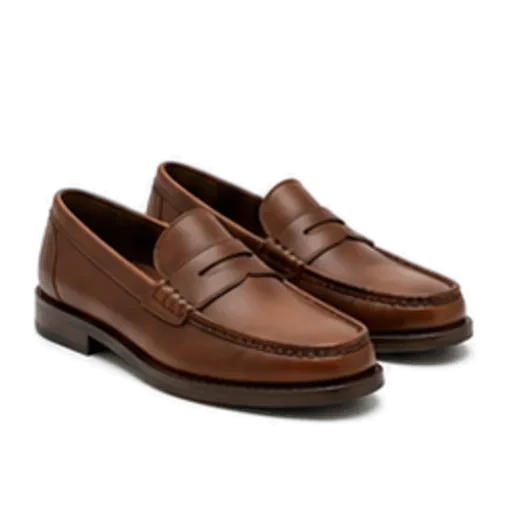
- Proper shoes. Shoes do more for the dress code than anything else. Loafers, derbies, brogues, Chelsea boots, block heels and ballet flats all read as business casual. Running shoes and flip-flops never do.
- Fit over brand. Trousers that break cleanly at the shoe and a jacket that sits flat on the shoulders look more professional than an expensive piece that does not fit.
Business casual outfit formulas
Formulas are the fastest way to get dressed, because once you know the shape of an outfit you can swap pieces in and out. These work across genders and body types; use whichever suit your wardrobe and how you like to dress.
Formula 1: chinos, oxford shirt, loafers
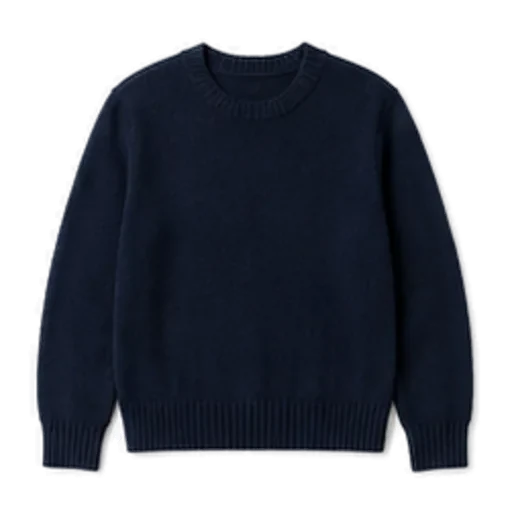
The classic. Grey or navy chinos, a white or light blue oxford shirt, brown loafers and a leather belt. Add a navy blazer for meetings. In colder months, put a fine crew-neck knit over the shirt with the collar out.
Formula 2: tailored trousers, knit, ankle boots
Charcoal tailored trousers, a merino or cotton knit in camel, cream or black, and leather Chelsea or ankle boots. This works for almost everyone, looks deliberate, and needs no ironing beyond the trousers.
Formula 3: midi skirt, tucked top, block heels or flats
A pleated or pencil midi skirt, a silk blouse or fitted long-sleeve top tucked in, and block heels, loafers or ballet flats. Add a cardigan or blazer for structure. Tights in winter keep it office-ready.
Formula 4: dark jeans, blazer, clean trainers
For relaxed offices. Dark indigo or black straight-leg jeans, a white tee or mock-neck top, a tailored blazer and plain white leather trainers. The blazer is what makes it work; without it, the outfit is just weekend.
Formula 5: the dress and layer
A shirt dress, wrap dress or sweater dress at or below the knee, with a blazer or long cardigan and boots or flats. One piece does most of the work, which makes it the easiest option on a rushed morning.
Formula 6: traditional and modest options
A kurta set with smart flats, an abaya with a structured bag, or wide-leg tailored trousers with a long tunic top all sit comfortably within business casual. The same rules apply: clean lines, neutral or deep colours, polished shoes.
Business casual by season
Weather is where business casual most often goes wrong, because people dress for the office temperature and forget the commute.
- Cold (below 5°C / 41°F): wool overcoat or pea coat over a knit and shirt, tailored trousers, leather boots, a scarf and gloves. Take the coat off and you are still fully dressed.
- Cool (5–15°C / 41–59°F): a trench coat over a blazer or cardigan. This is the easiest weather for business casual because every layer earns its place.
- Mild (15–22°C / 59–72°F): shirt or blouse with a light blazer or no jacket at all; loafers or flats.
- Hot (above 25°C / 77°F): linen trousers, short-sleeve shirts with a collar, shell tops, midi skirts and breathable dresses. Keep a light layer at your desk for air conditioning.
On rainy days, swap suede for leather and keep a pair of office shoes at work if your commute involves a walk. If you want a fuller breakdown by temperature, see what to wear by temperature.
Building a business casual wardrobe from what you own
You probably need far fewer new pieces than you think. Before buying anything, sort what you already have into four groups:
- Bottoms: tailored trousers, chinos, dark jeans, skirts.
- Tops: collared shirts, blouses, fine knits, plain tees with clean necklines.
- Layers: blazers, cardigans, smart jackets.
- Shoes: anything leather and not athletic.
A working rotation is roughly three bottoms, five tops, two layers and two pairs of shoes. In neutral colours that gives you well over twenty outfits. If one group is thin, that is the only place worth spending money. The approach in our guide to building a capsule wardrobe without buying works well here.
Then plan ahead. Picking five outfits on Sunday means you never have to make the decision at 7.40am with wet hair. Our weekly outfit planning routine walks through it step by step.
Common business casual mistakes
- The almost-gym outfit. Leggings, joggers or technical trainers, even expensive ones.
- Too many statement pieces. One printed shirt is interesting; a printed shirt, patterned trousers and bright shoes is a lot for a Tuesday.
- Forgetting the details. Scuffed shoes, a battered bag or a creased collar pull everything down.
- Overdressing by habit. A full suit in a relaxed office can feel stiff. Lose the tie, swap the trousers for chinos, keep the jacket.
How Foxdrobe helps
Foxdrobe is an iPhone app that turns the clothes you already own into outfits, which is exactly what a business casual rotation needs.
- Build your closet in minutes. Photograph a blazer or a pair of chinos and Foxdrobe cuts it out and tags category, colour, season and formality, all editable. Or add pieces like an oxford shirt or loafers from a catalogue of 150 everyday garments without taking a photo. Twenty pieces take about five minutes.
- Style me for work. Tell Fenn, the fox stylist inside the app, that you need business casual for the office or a client meeting, and you get a complete outfit built only from your own closet, with a sentence explaining why it works. Ask again for a different take.
- Weather aware. Suggestions read today's forecast, so a cold, wet morning gets a coat and leather boots while a warm one gets lighter fabrics.
- Check this outfit. Not sure whether jeans and a knit are smart enough? Photograph what you have on and Fenn gives a score, plain-English feedback and swaps from your own wardrobe.
- Plan the week. Use the planner to set outfits for the days ahead and save the looks that worked, so Monday to Friday is already decided.
There are no shopping links in Foxdrobe; every suggestion comes from clothes you already have. You can see the full feature list here.
The short version
Business casual is structured, clean and neutral, with proper shoes. Pick one or two formulas that suit you, make sure you own the handful of pieces they need, and rotate them. Nobody at work is tracking how often you wear the navy blazer. They notice whether you look put together, and a small, well-planned wardrobe does that better than a large, random one.